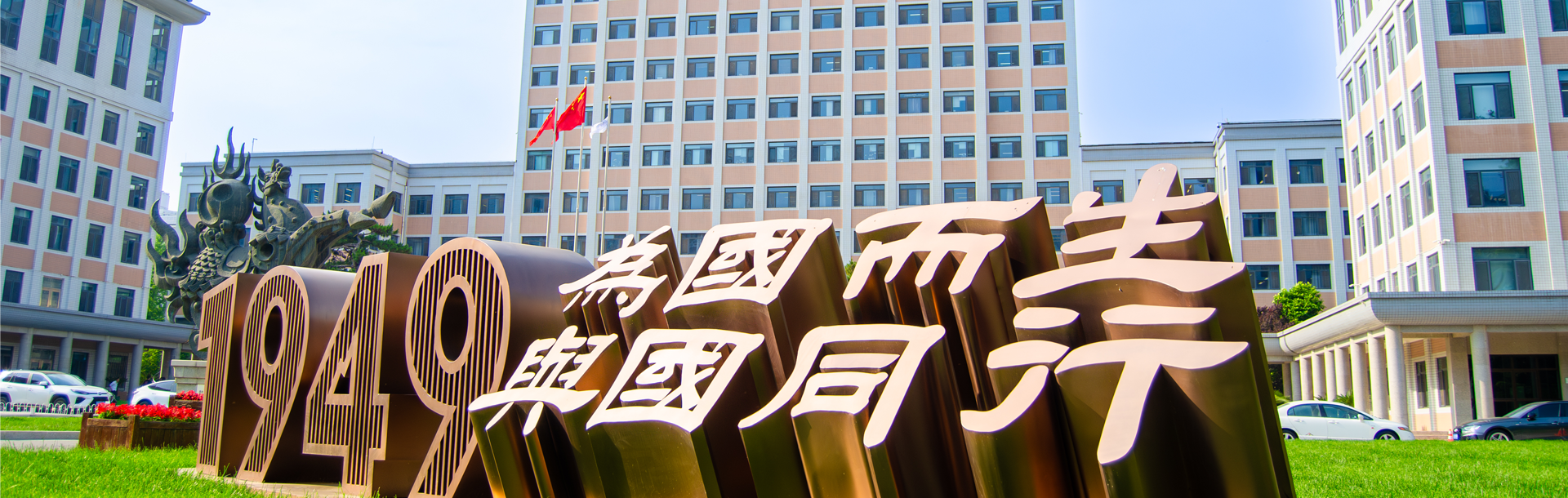
December 28, 2025, the 2nd Industry–Academia–Research Forum on Traditional Culture and Modern Management was held at the Academic Auditorium of our university. The forum was jointly organized by Enterprise Management Magazine, Entrepreneur Magazine, and CUFE Business School, hosted by CUFE Business School, and supported by Enterprise Management Publishing House.
Entrepreneurs from industry and scholars from academia gathered to discuss the theme of this forum, “Traditional Culture and Corporate Sustainable Development.” Participants conducted in-depth analyses of the underlying logic and practical pathways for integrating Excellent Traditional Chinese Culture with corporate sustainable development. Attendees widely agreed that management wisdom rooted in Excellent Traditional Chinese Culture not only provides the spiritual foundation for high-quality corporate development but also injects enduring momentum into sustainable development characterized by coordinated economic, social, and environmental coexistence.

The opening ceremony was chaired by Lin Song, Dean and Professor of CUFE Business School. Sun Guohui, former Vice President of the Central University of Finance and Economics and Professor at the Business School, and Chen Jing, President of Enterprise Management Magazine, attended and delivered opening remarks.
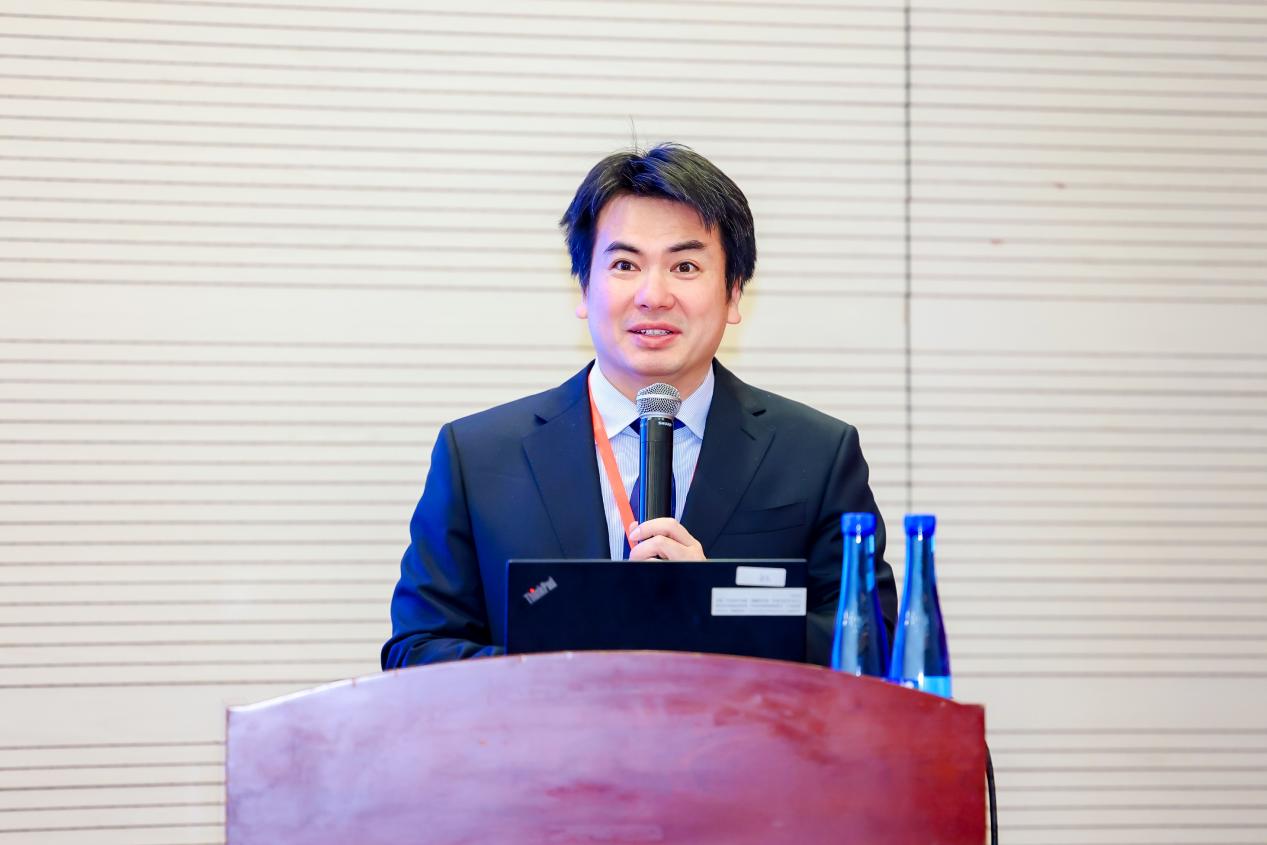
Lin Song, Dean of CUFE Business School hosts Opening Ceremony
Sun Guohui warmly welcomed the distinguished guests and noted that over the more than 40 years since China’s reform and opening-up, the growth of Chinese enterprises has stemmed from the development of management theories and practices with Chinese characteristics that integrate traditional Chinese culture with modern management practices. During this process, entrepreneurs have actively explored corporate institutions, cultures, and management methods that align with China’s cultural environment and the development needs of the socialist market economy. Meanwhile, scholars have continued to deepen research on corporate management ideas, theories, and methods within the context of Chinese culture. These research outcomes have not only informed business practice but also been integrated into university campuses, strengthening confidence in the path, theory, system, and culture of socialism with Chinese characteristics. He also introduced the university’s efforts to integrate China’s Excellent Traditional Chinese Culture into classroom teaching, scientific research, and holistic education. He emphasized that in the era of human–machine symbiosis, the core competitiveness of enterprises lies not only in the technological construction and application of data, algorithms, and computing power, but also in the shaping of humanistic values and ethical principles. Avoiding imbalances between short-term technological adoption and long-term sustainable development is a shared mission for both industry and academia.
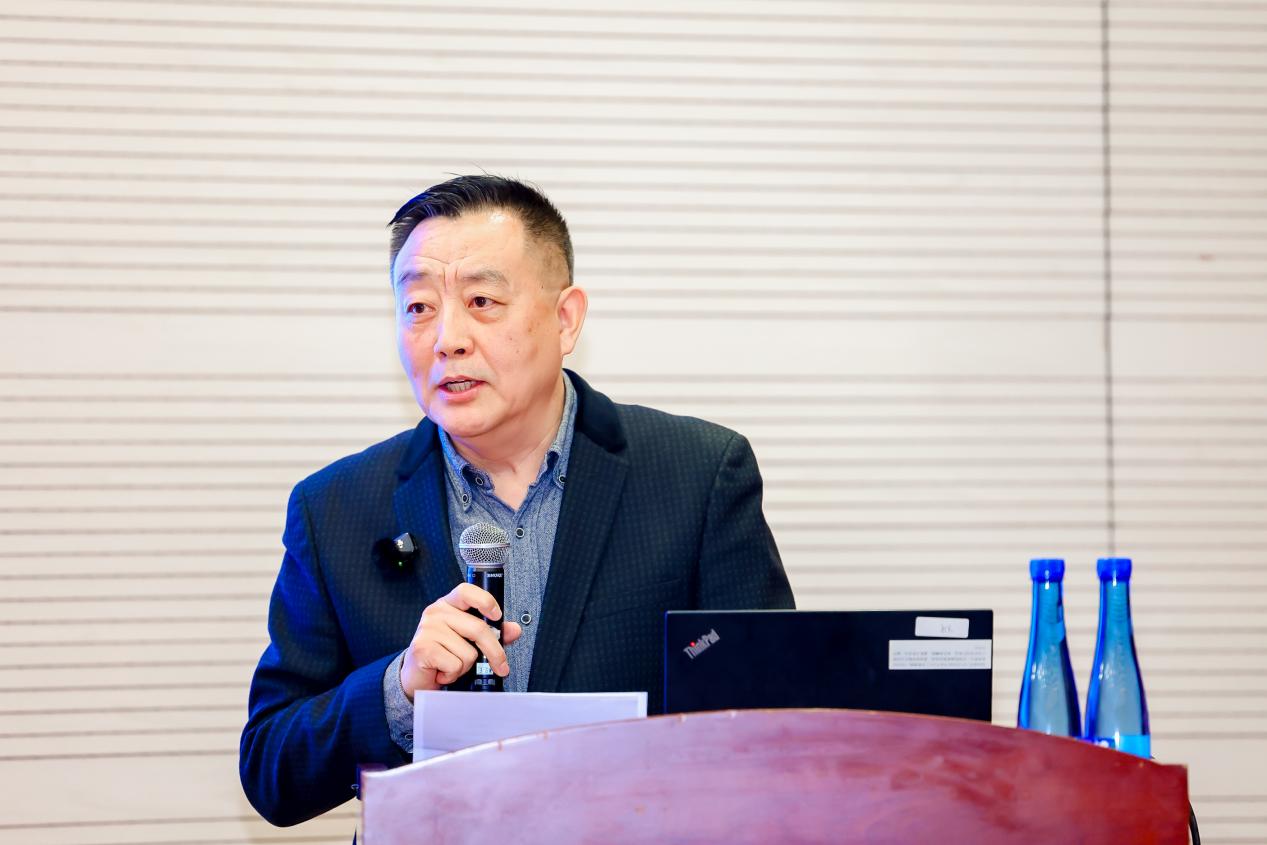
Sun Guohui, Former Vice President and Professor at CUFE Business School, delivers remarks
The forum’s theme, “Traditional Culture and Corporate Sustainable Development”, closely aligns with the spirit of the times and contemporary development needs. Excellent Traditional Chinese Culture contains abundant resources of management philosophy and ethics: people- centered governance philosophy and the principle of balancing righteousness and interest, ecological wisdom of "unity of Heaven and humanity" and "Tao follows nature", business ethics grounded in integrity and harmonious prosperity, and the sense of responsibility embodied in the Confucian ideal of “cultivating the self, regulating the family, governing the state, and achieving peace under heaven.” These concepts provide continuous intellectual nourishment and value support for Chinese enterprises as they explore management models with distinctive characteristics.
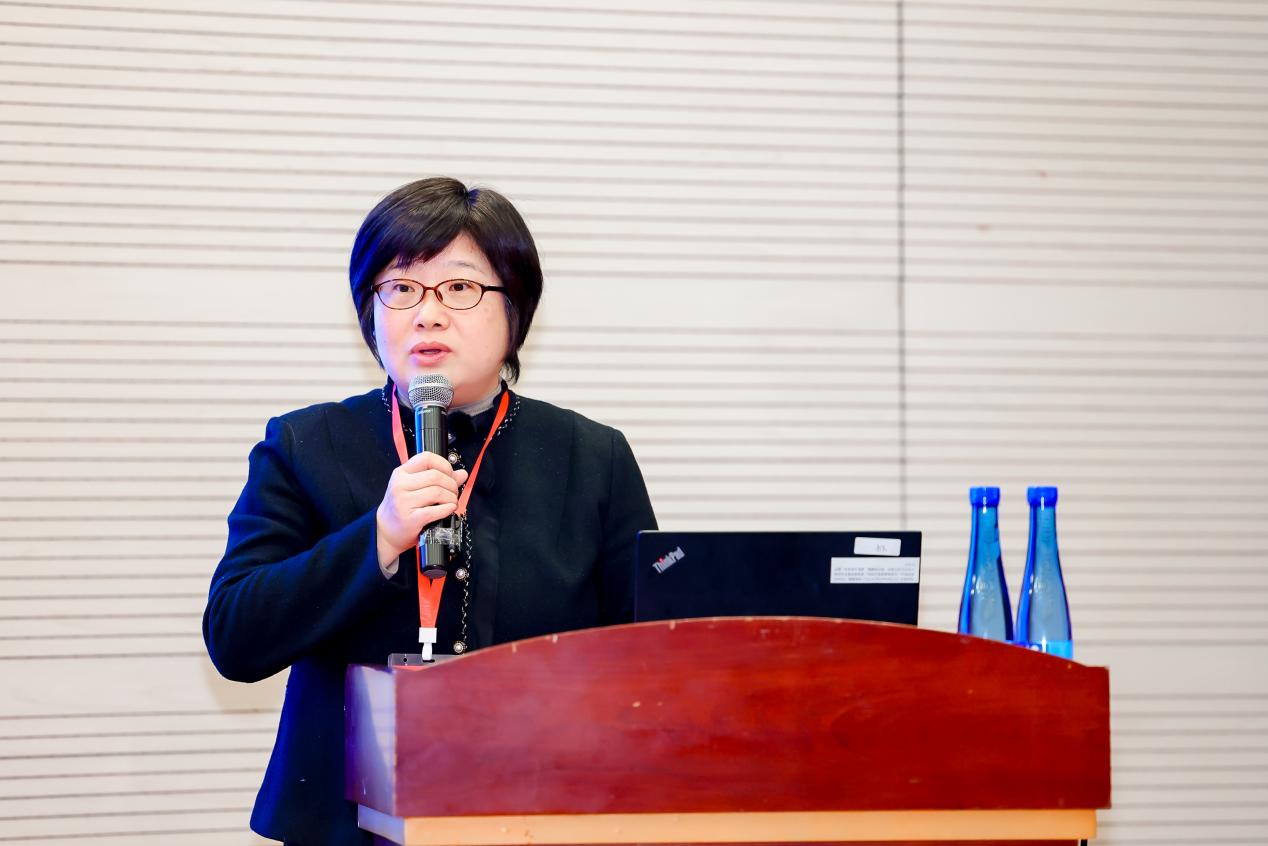
Chen Jing, President of Enterprise Management Magazine, delivers remarks
The paper presentation sessions were chaired by Zhou Weizhong, Professor at CUFE Business School; Wang Gang, Professor at Inner Mongolia University of Finance and Economics; and Li Jiapeng, Assistant Professor at CUFE Business School. Scholars from various universities and representatives from enterprises shared their latest research findings and practical experiences.
Li Guijun, President and Professor of Hebei Normal University, shared insights based on his experience in educational administration at institutions such as the Central University of Finance and Economics and Hebei Normal University. He interpreted the implications of Daoist principle of "harmonizing with the light and mingling with the dust" and the Confucian concept of Zhang Zai's "Four Maxims" for modern management, emphasizing the significant value of Excellent Traditional Chinese Culture in contemporary management practice. The “Four Sentences of Zhang Zai”, “To ordain conscience for Heaven and Earth, to secure life and livelihood for the people, to continue lost teachings for past sages, and to establish peace for all future generations”, offer the highest aspirations for educators.

Li Guijun shares
Su Yong, Professor at Fudan University, analyzed entrepreneurial spirit and the management wisdom of modern Confucian merchants in China based on an entrepreneur interview project. He pointed out that modern Confucian entrepreneurs are rooted in the rich cultural heritage of Confucianism, Mohism, Taoism, Legalism, and other traditional schools of thought. They embody virtues of self-cultivation, social responsibility, and the aspiration for universal harmony, representing business leaders who are culturally grounded, morally responsible, and capable in management.
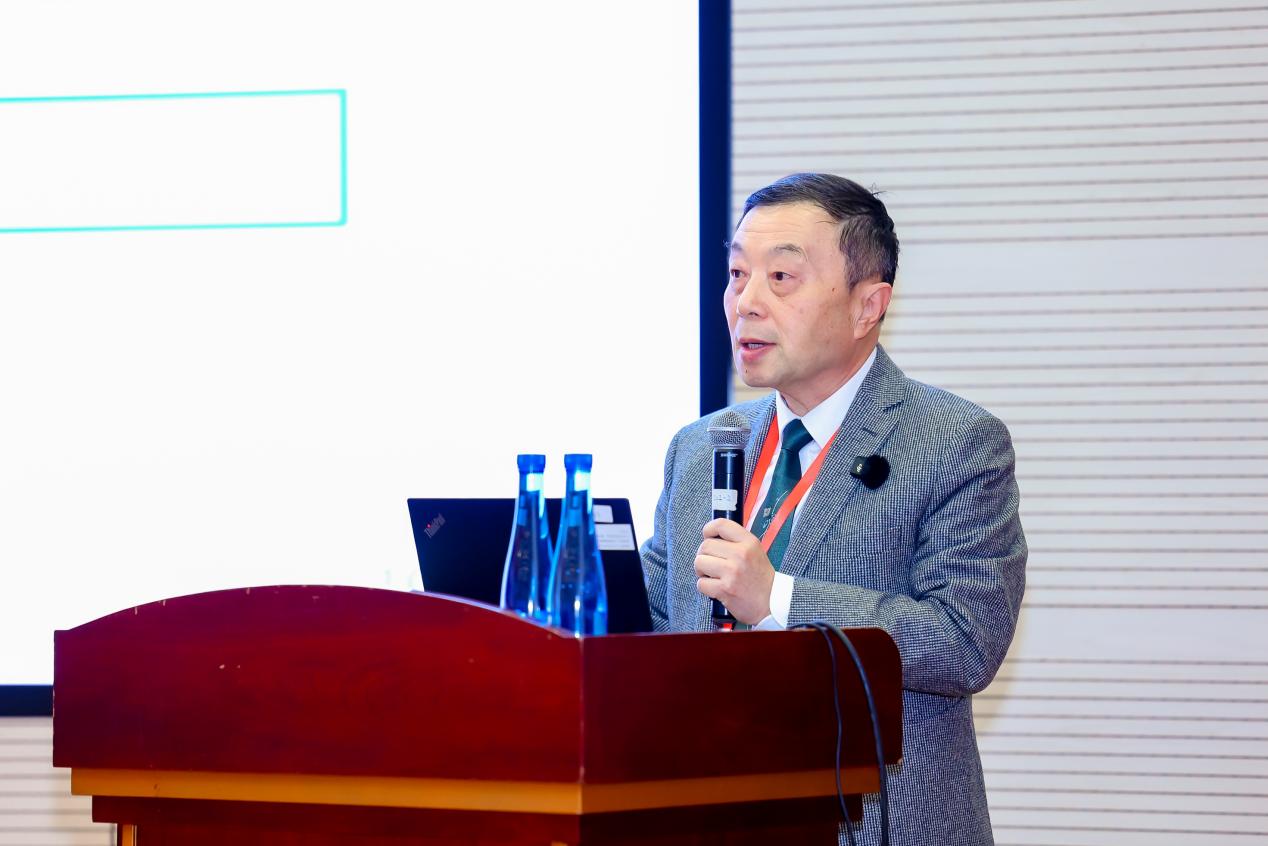
Su Yong shares
Li Jingchun, Chairman of Tianyuan Group, shared management practices illustrating how Excellent Traditional Chinese Culture can empower sustainable corporate development. Tianyuan Group integrates traditional culture with modern management and constructs the cultural system of "Family-State Homogeneity" that promotes ethical values and harmonious family relations among employees.
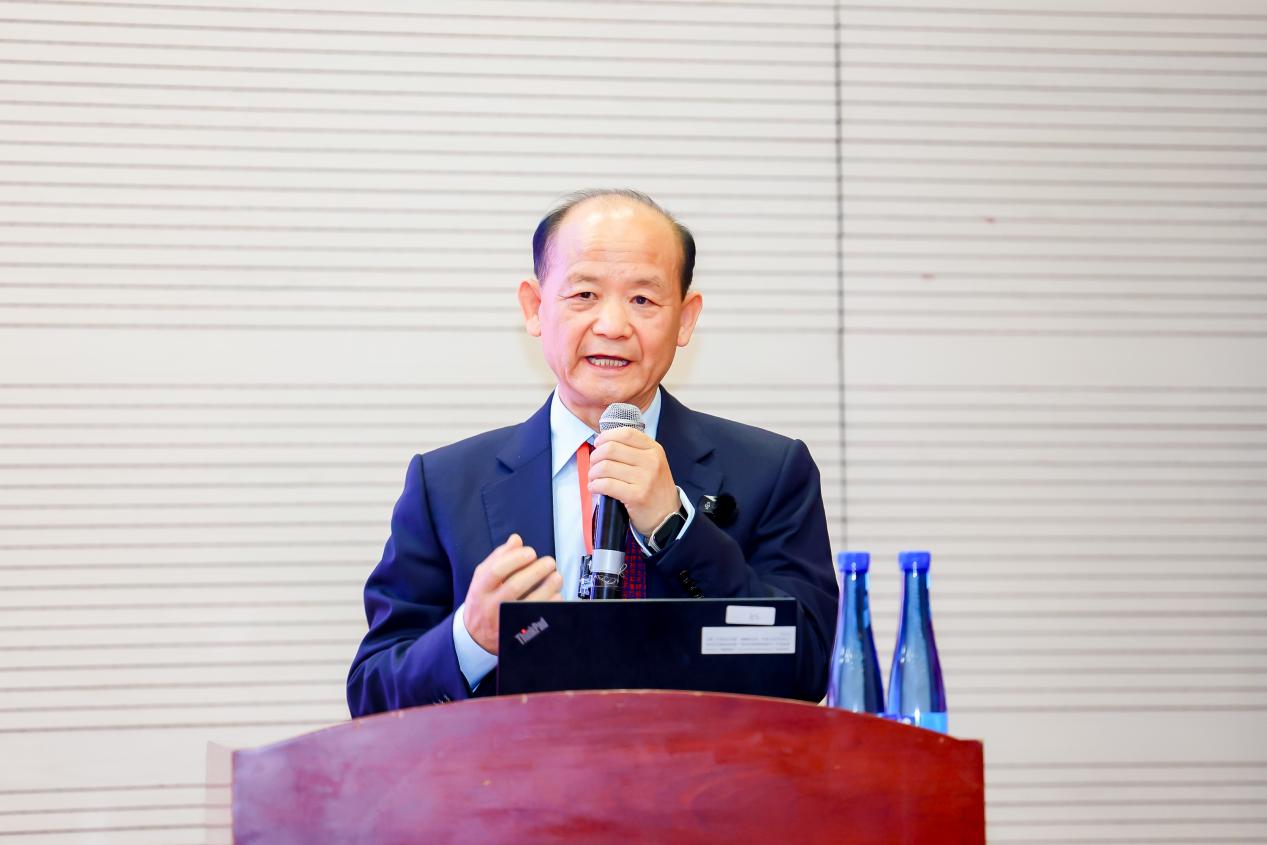
Li Jingchun shares
Zhao Decun, Chairman of Shandong Lutai Industrial Investment Development Group, introduced practical pathways for integrating traditional Chinese culture with corporate culture development. Since 2011, the group has systematically advanced corporate culture construction centered on the values of filial piety, responsibility, and happiness, forming a development path that links personal cultivation, family harmony, enterprise governance, and social contribution.
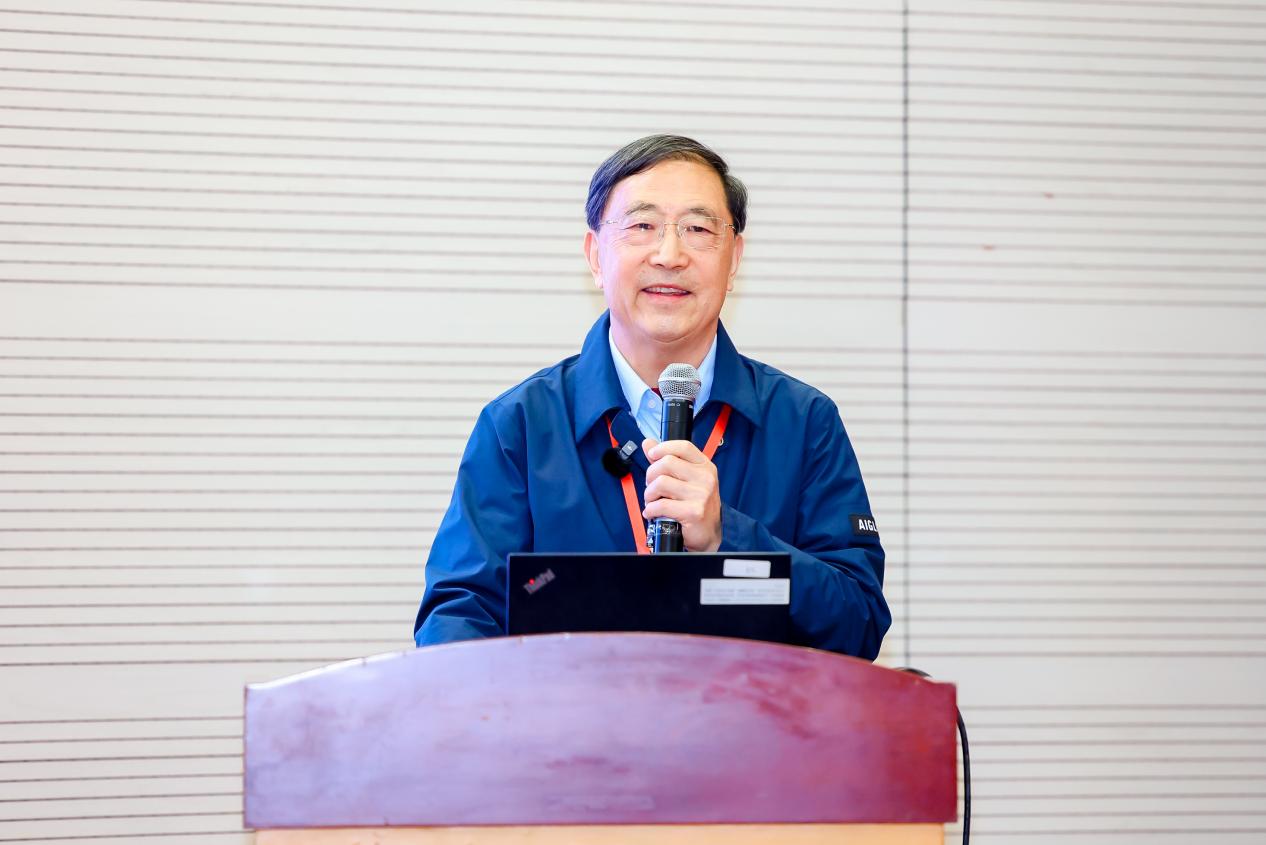
Zhao Decun shares
Lin Song, Dean and Professor of CUFE Business School, presented recent research findings examining the relationship between the “dialect distance of the board chairman” and corporate ESG performance. The research finds that greater differences between the chairman’s dialect and the local dialect of the firm’s location are associated with stronger ESG performance. This finding suggests that managers working across regions may be more inclined to strengthen ESG investment, enhance social contributions, and engage in more publicly oriented initiatives in order to overcome regional cultural barriers and managerial challenges, thereby gaining recognition and establishing credibility.
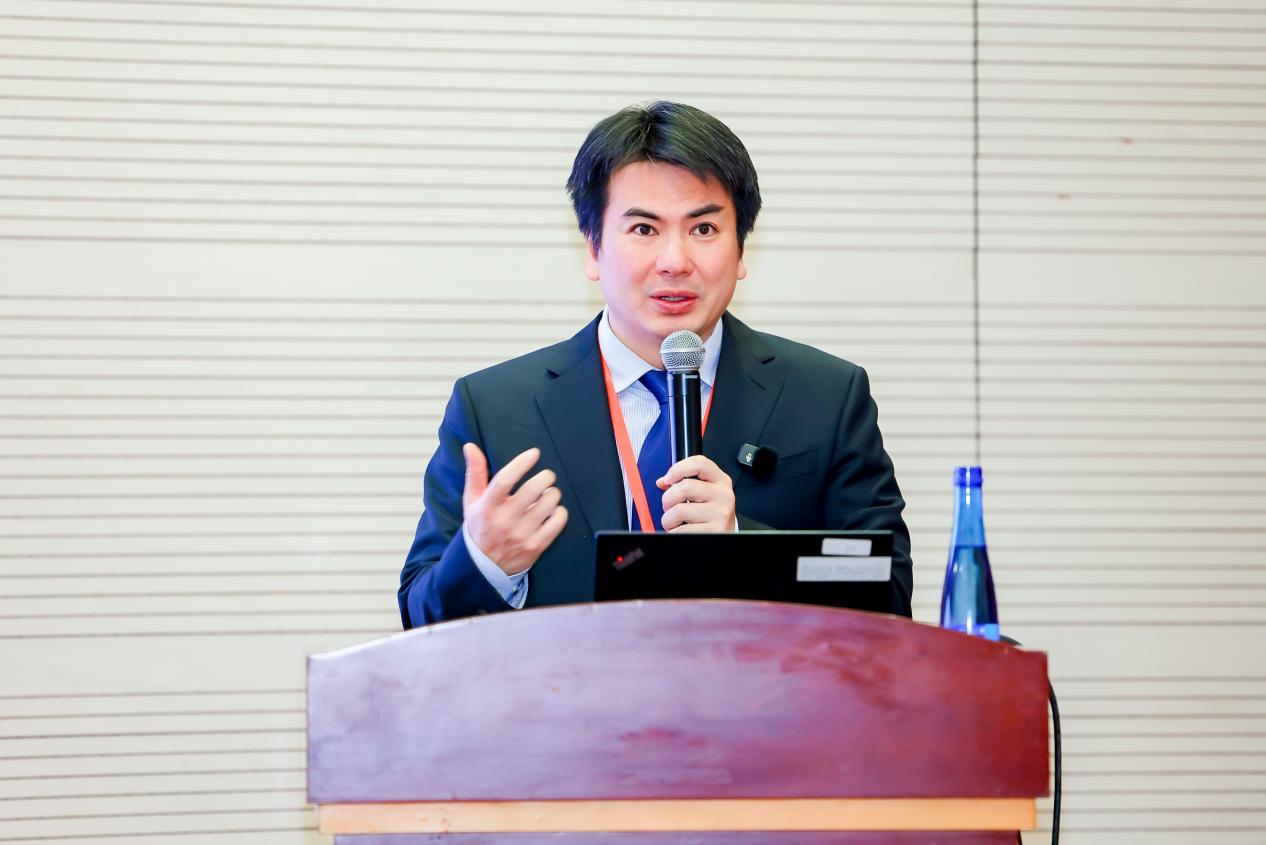
Lin Song shares
Sun Qingsheng, Editor-in-Chief of Entrepreneur Magazine, explained how classical thoughts from The Great Learning and The Doctrine of the Mean can guide the integration of traditional Chinese culture with modern business practices.
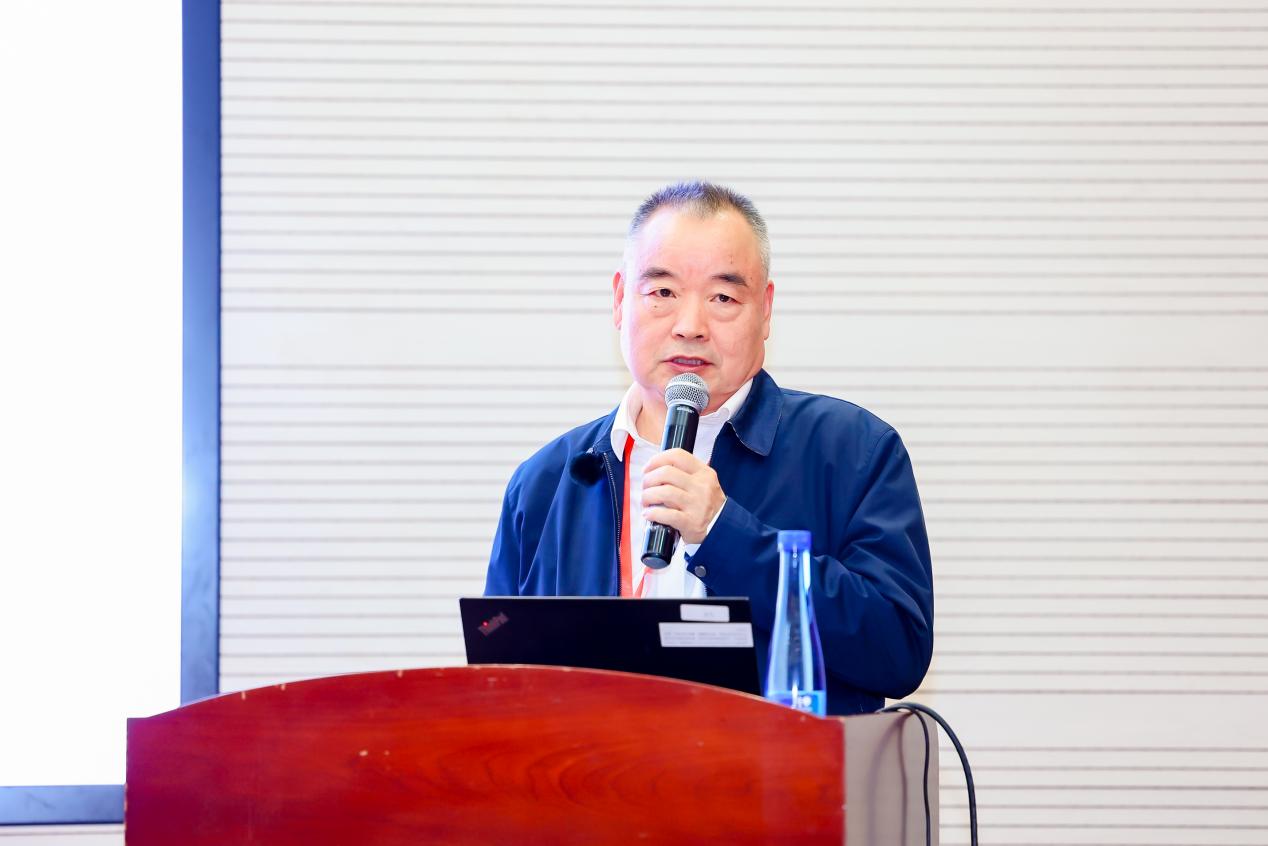
Sun Qingsheng shares
Dai Xining, Secretary-General and Professor of the Center for Classical Studies and Civilization at Peking University, discussed sustainable corporate development in the context of global transformation. He argued that Chinese-style modernization represents a new form of human civilization rooted in Chinese cultural traditions while incorporating insights from Western civilization.
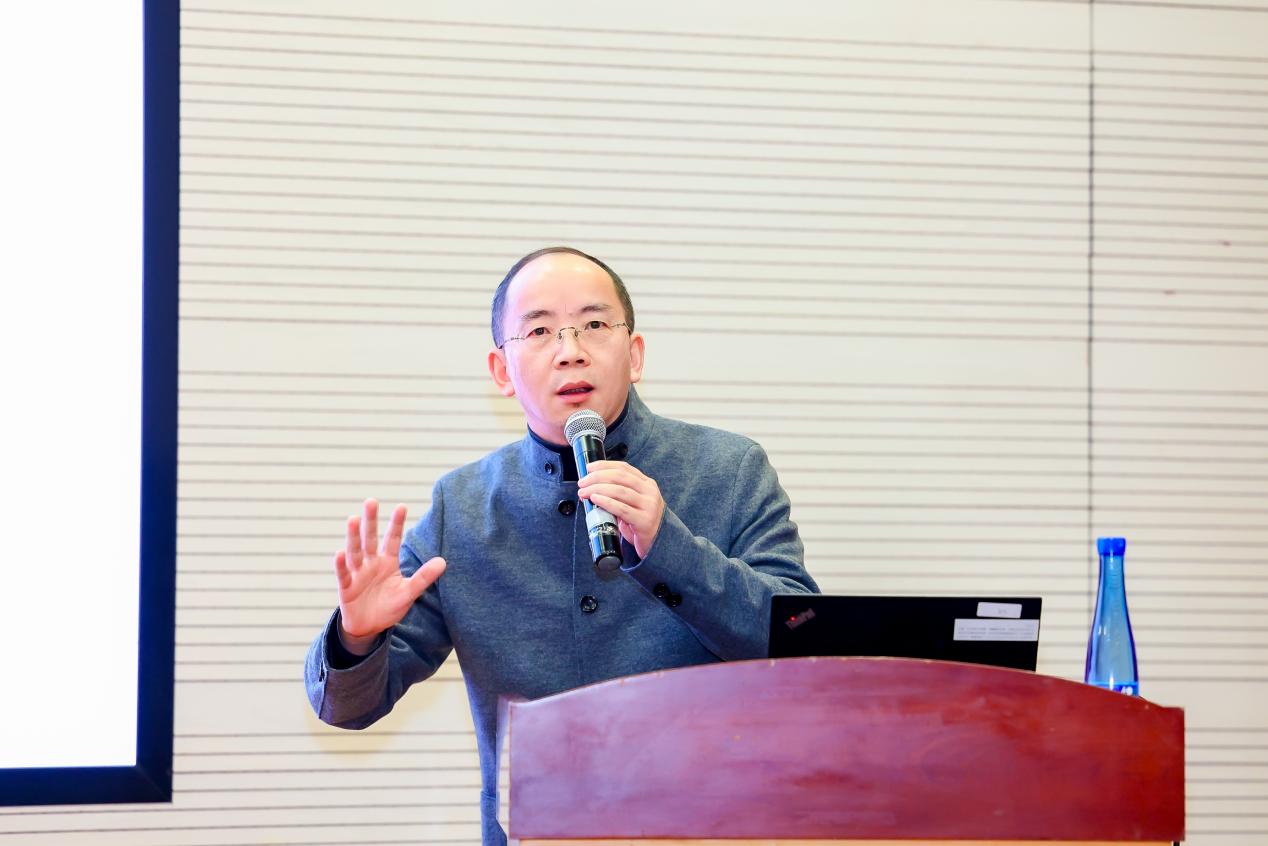
Dai Xining shares
Gong Jiangang, Associate Professor at Dalian University of Technology, emphasized that views of human nature are inseparable from the construction of management theory, drawing on the Confucian concept of the innate goodness of human nature.
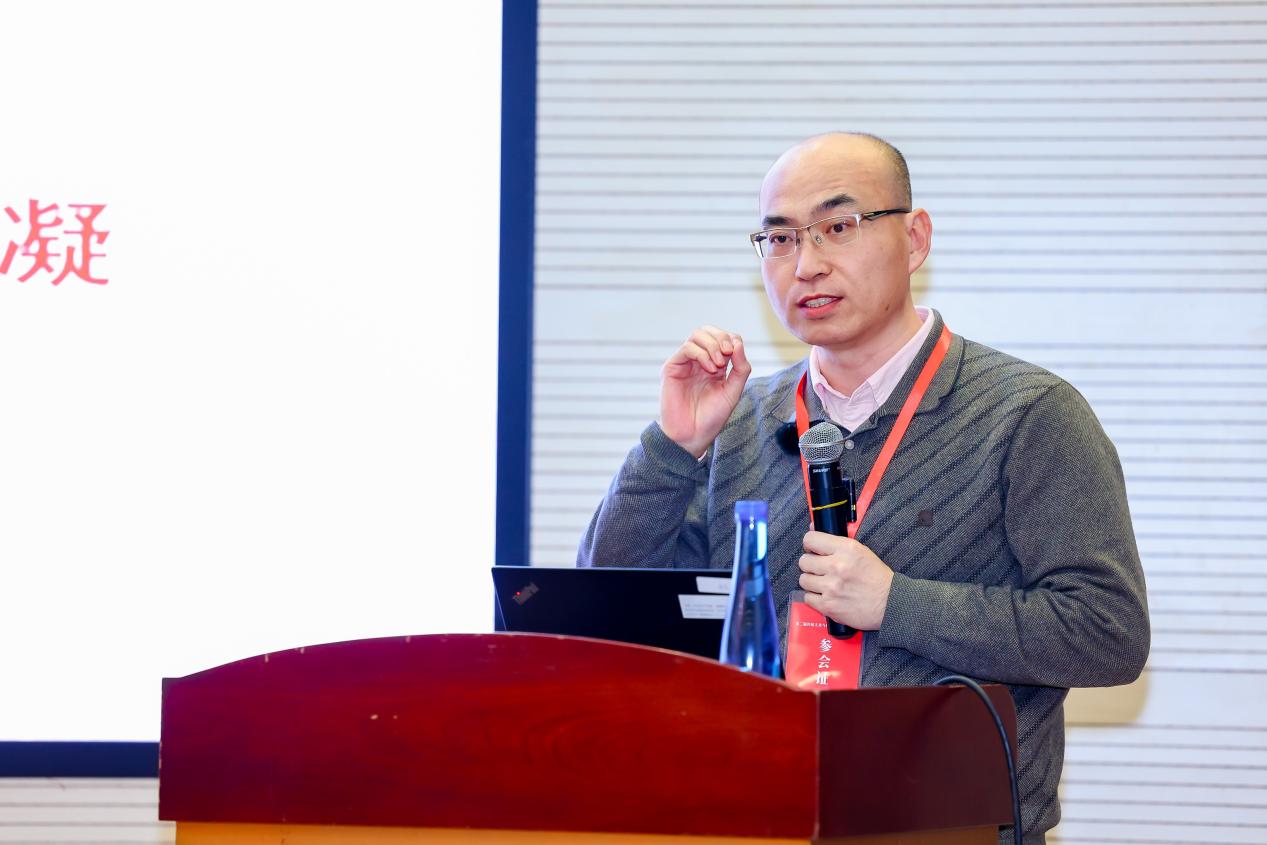
Gong Jiangang shares
Huang Jinzhi, Associate Professor at Harbin Engineering University, noted that the Taoist concepts of "Tao (the Way), Xin (the Mind), and Jue (Awakening)", represents the ultimate expression of corporate sustainable development.
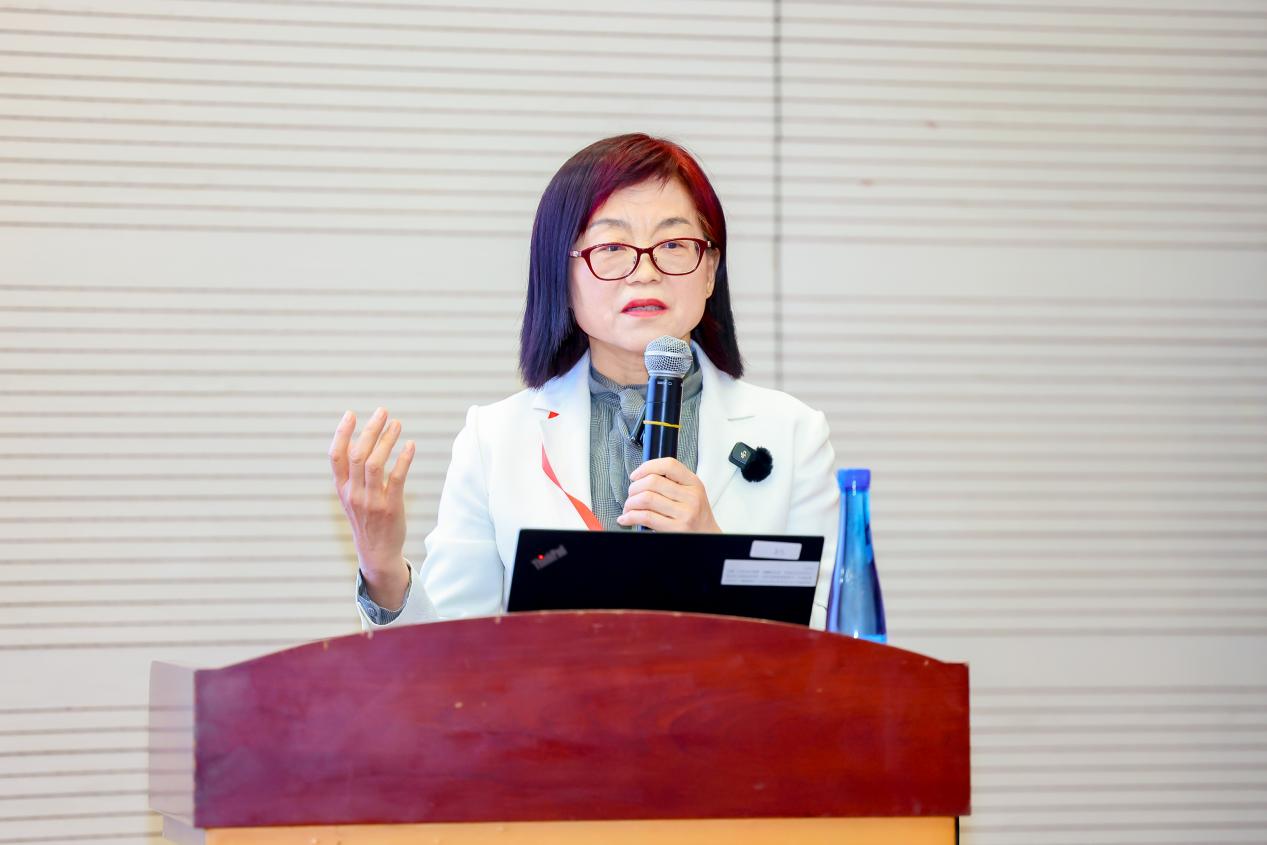
Huang Jinzhi shares
Zhang Ping, Chairman of Tianjin Lisheng Pharmaceutical Co., Ltd., presented his research on the “partner hypothesis” and cooperative strategic thinking.
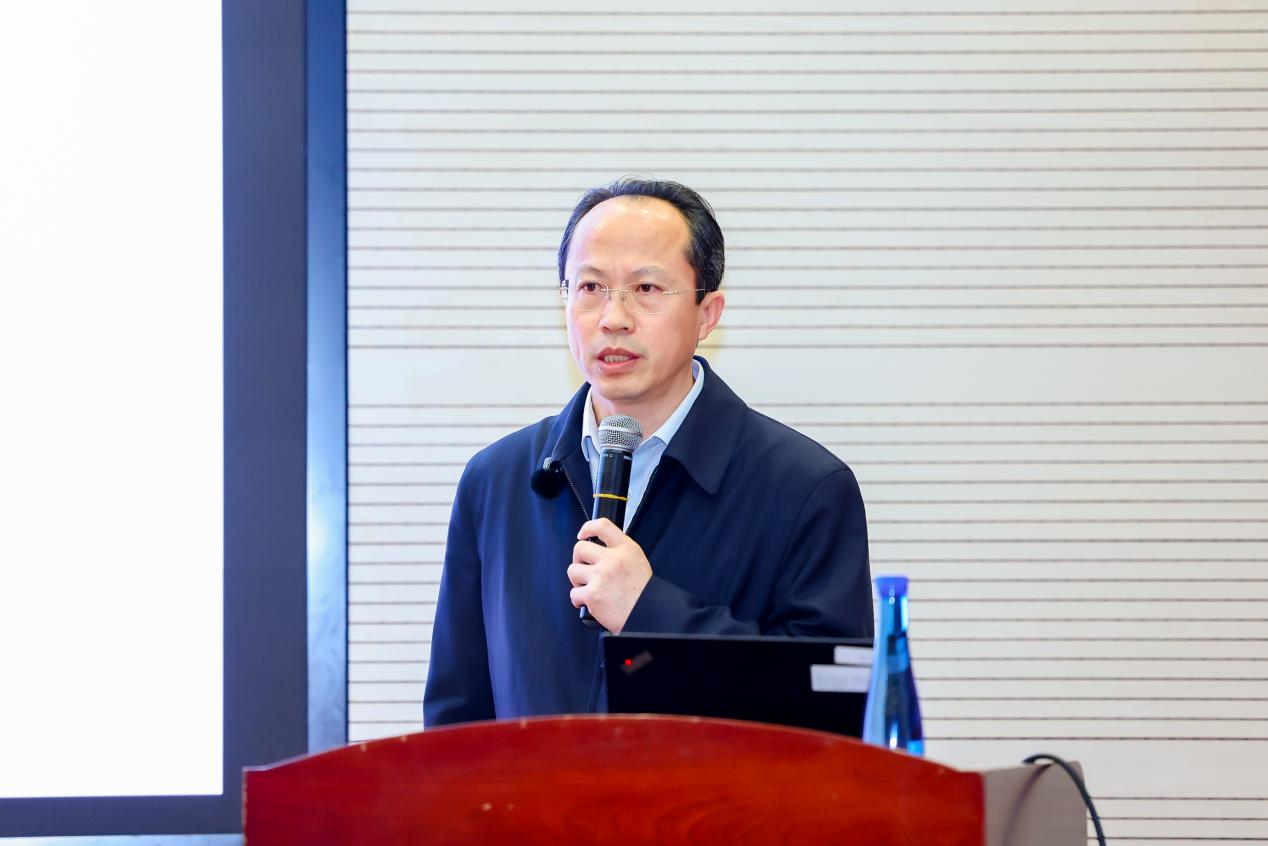
Zhang Ping shares
Zhong Yongsheng, Dean and Professor of the Institute of Chinese Classical Economics at Dongbei University of Finance and Economics, interpreted the profound influence of Excellent Traditional Chinese Culture on modern management.
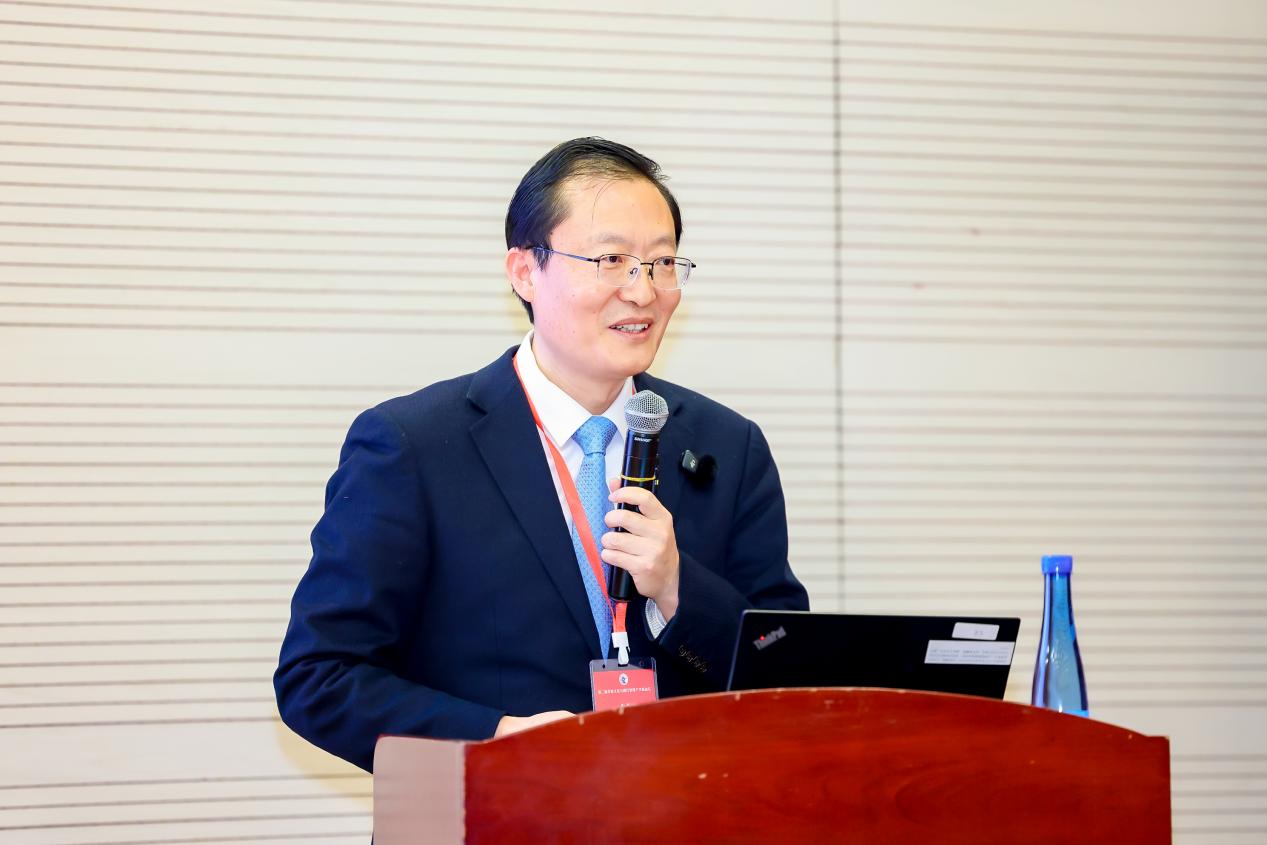
Zhong Yongsheng shares
Wang Jingfeng, Professor at the School of Business Administration at Inner Mongolia University of Finance and Economics, explained how the Mohist concept of “universal love” can be integrated with corporate ESG practices.
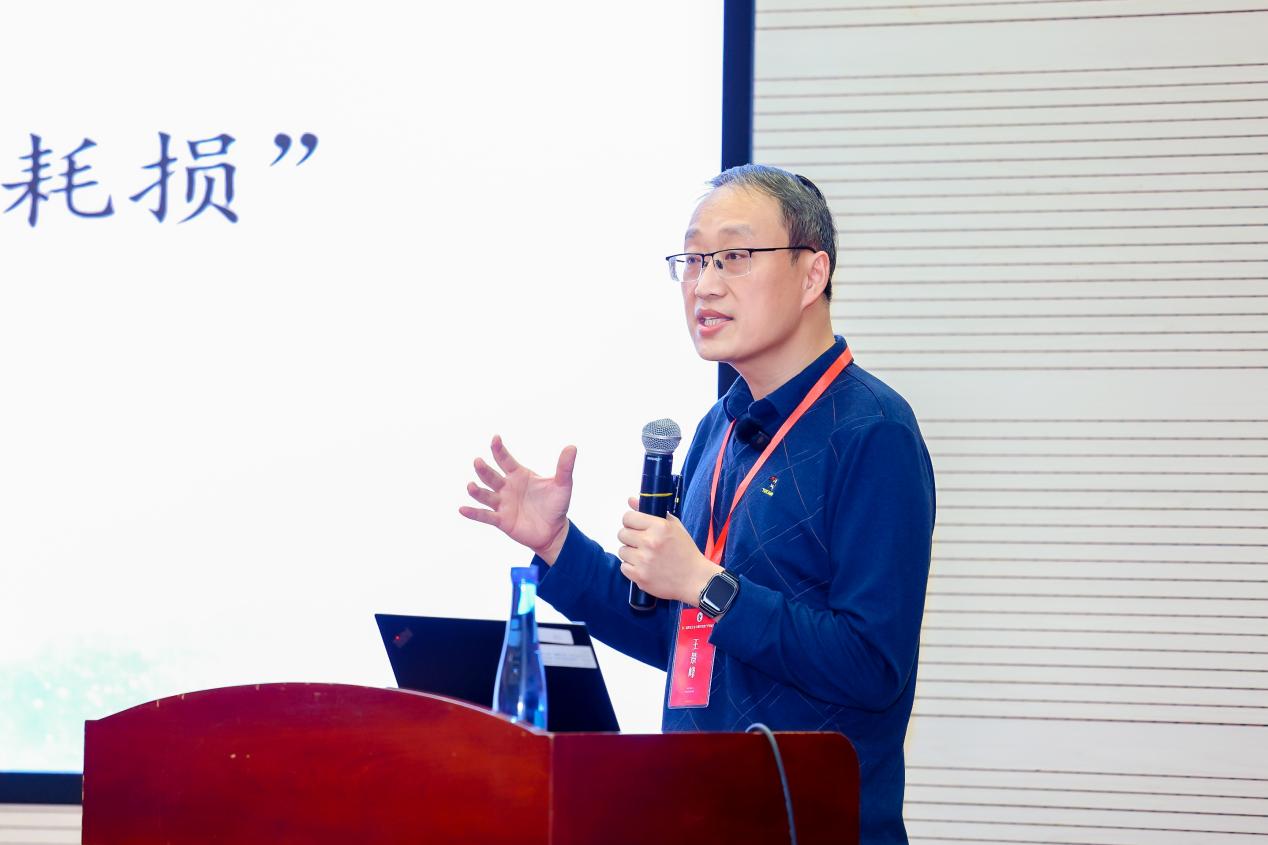
Wang Jingfeng shares
Zhang Weidong, Professor at Taiyuan University, analyzed the Dao (principles), Fa (methods), and Shu (techniques) of “Hehe (Harmony and Unity) management.”

Zhang Weidong shares
Sun Yiming, Chairman of Beijing No-Plastic Planet Textile Co., Ltd., shared entrepreneurial experiences and pathways to sustainable corporate development through ecological initiatives and sustainable fashion.

Sun Yiming shares
The roundtable discussion was chaired by Wang Shibin, Executive Vice President of Enterprise Management Magazine. Participants—including Wang Xingang (Zhongnan University of Economics and Law), Hu Zongliang (CUFE Business School), Huang Xiaobin (Times Lingyu Technology Co., Ltd.), Liang Gang (Beijing University of Posts and Telecommunications), and Wang Qing (Tianjin University of Commerce)—discussed topics such as which traditional values should be upheld in the era of digital intelligence and effective ways for enterprises to promote traditional culture.
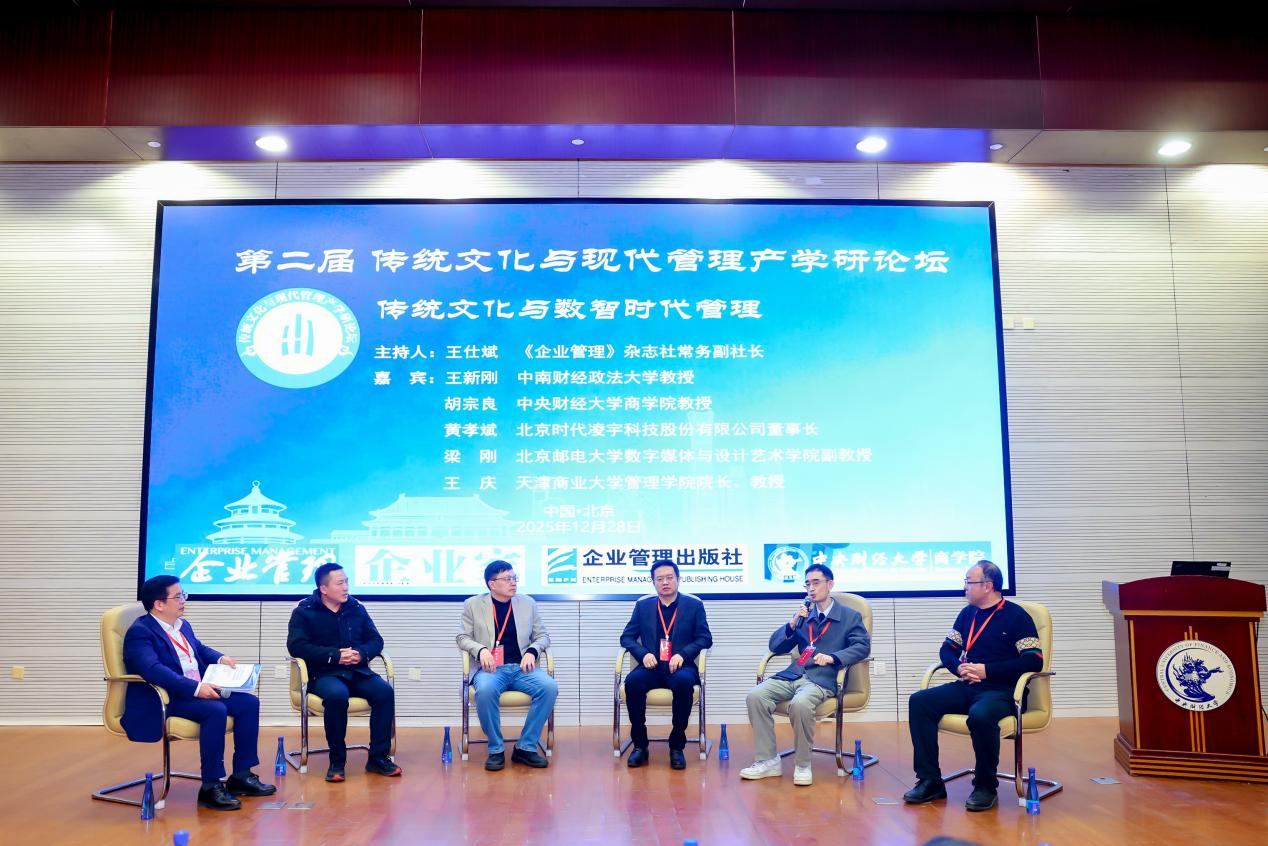
Roundtable Discussion
At the conclusion of the forum, Wang Qing, Dean and Professor of the School of Management at Tianjin University of Commerce, delivered the closing summary. He announced that Tianjin University’s Business School will host the Third Industry–Academia–Research Forum on Traditional Culture and Modern Management, inviting scholars, entrepreneurs, and practitioners dedicated to promoting Excellent Traditional Chinese Culture to participate.
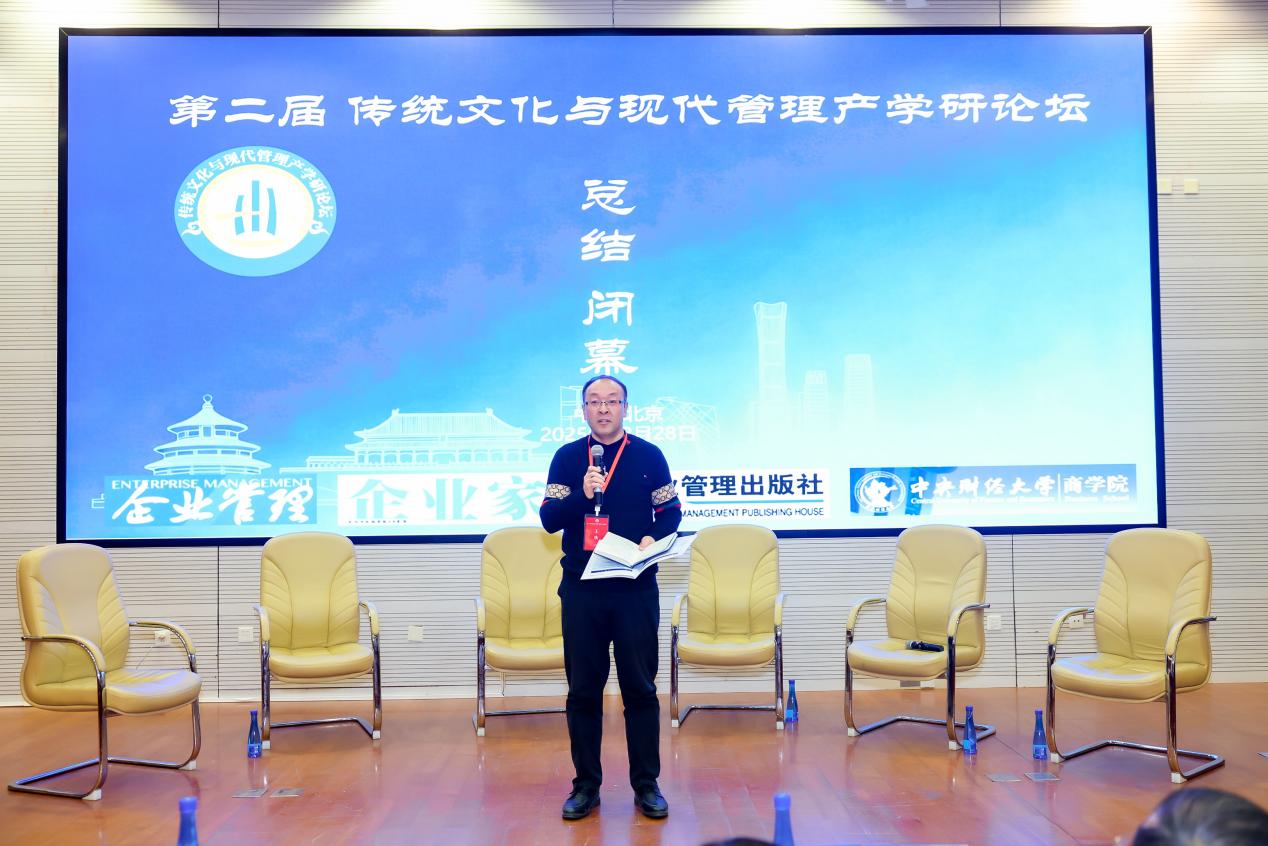
Wang Qing delivers closing remarks
This forum is a follow-up to the first event hosted by Shandong University in 2024 and marks another step toward establishing a sustainable mechanism for the forum series. The organizers noted that the event provided a valuable platform for exchange and knowledge sharing. Looking ahead, they aim to continue promoting the creative transformation and innovative development of Excellent Traditional Chinese Culture, activating its vitality and enabling it to take root in the spirit of the times and integrating it deeply into corporate strategy and governance practice to support the construction of a sustainable management system with Chinese characteristics.