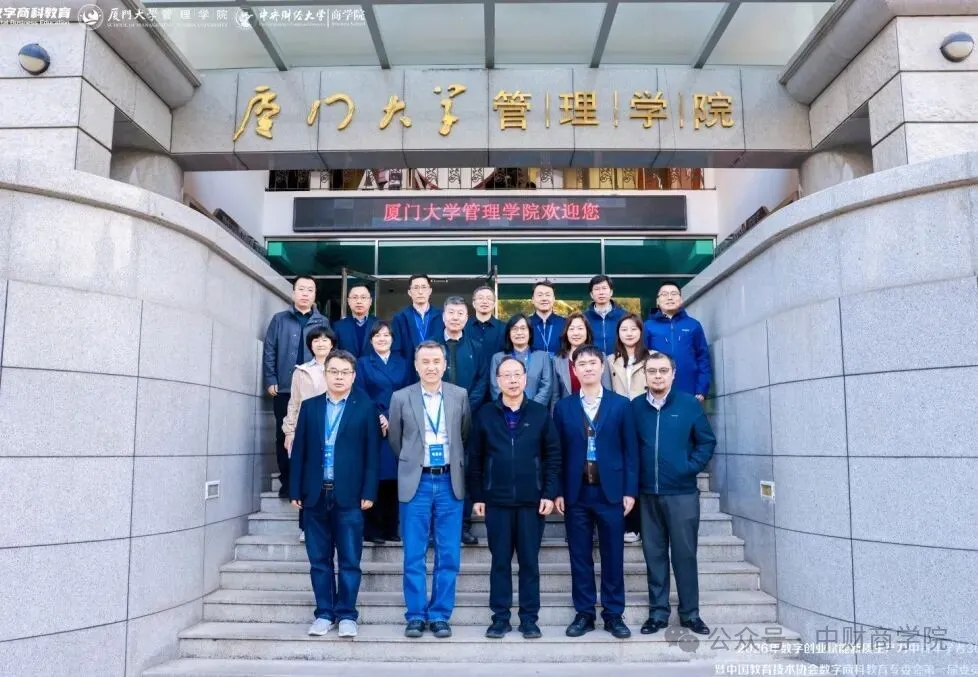
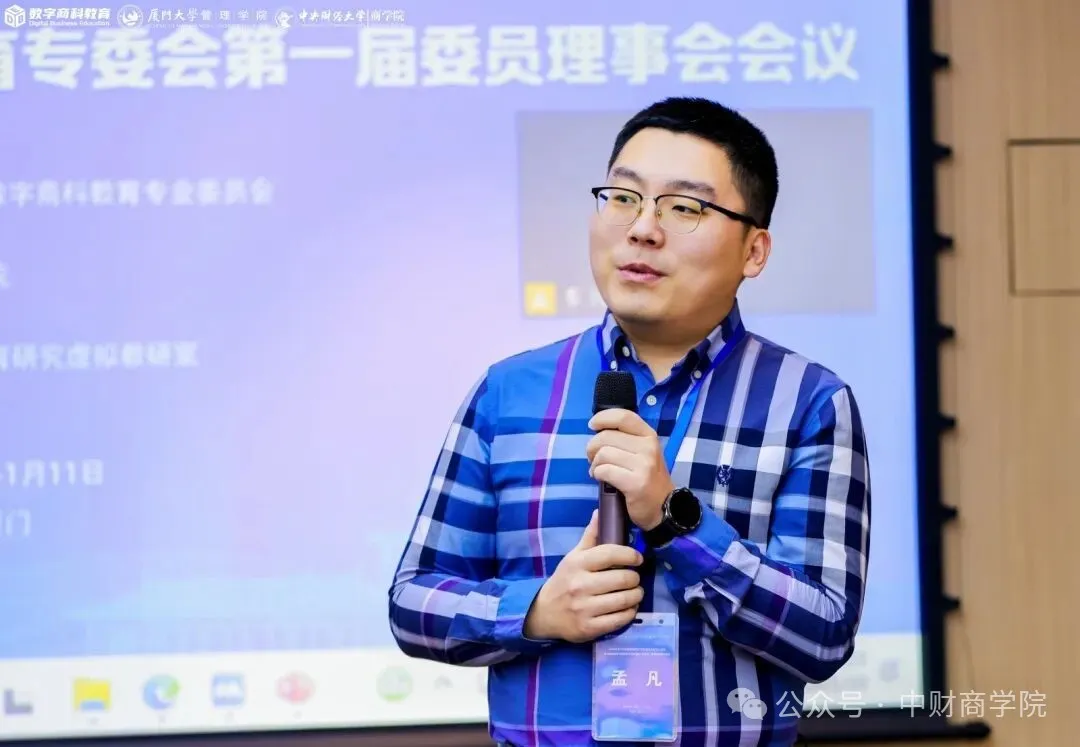
January 9 to 11, the 2026 “30-Person Forum for Young and Mid-Career Scholars on Digital Entrepreneurship Empowering New Quality Productive Forces” and the First Council Meeting of the Digital Business Education Committee of the China Association for Educational Technology were held at Xiamen University.
The forum was jointly organized by the Digital Business Education Committee of the China Association for Educational Technology, the School of Management of Xiamen University, and CUFE Business School, and hosted by the School of Management of Xiamen University, with support from the Virtual Teaching and Research Office for Entrepreneurship Education in Finance and Economics under the Ministry of Education.
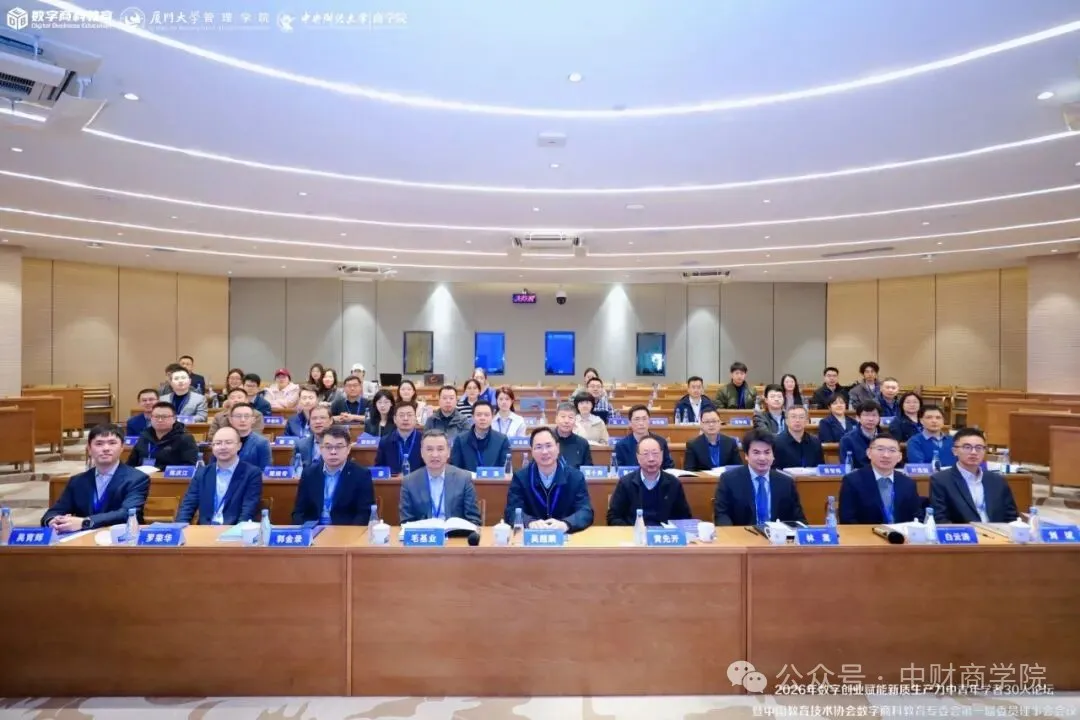
Focusing on the development of digital business education and digital entrepreneurship, the conference aimed to build a high-level academic exchange platform and gather collective wisdom from diverse stakeholders. Participants engaged in discussions on key topics including digital entrepreneurship ecosystems, industrial transformation, and AI-enabled business education, providing both theoretical foundations and practical pathways for digital entrepreneurship practices and innovations in digital business education. The event also promoted collaboration among industry, academia, research, and application, contributing to the cultivation of new quality productive forces and supporting high-quality development of entrepreneurship and digital business education in the era of the digital economy.
Opening Ceremony
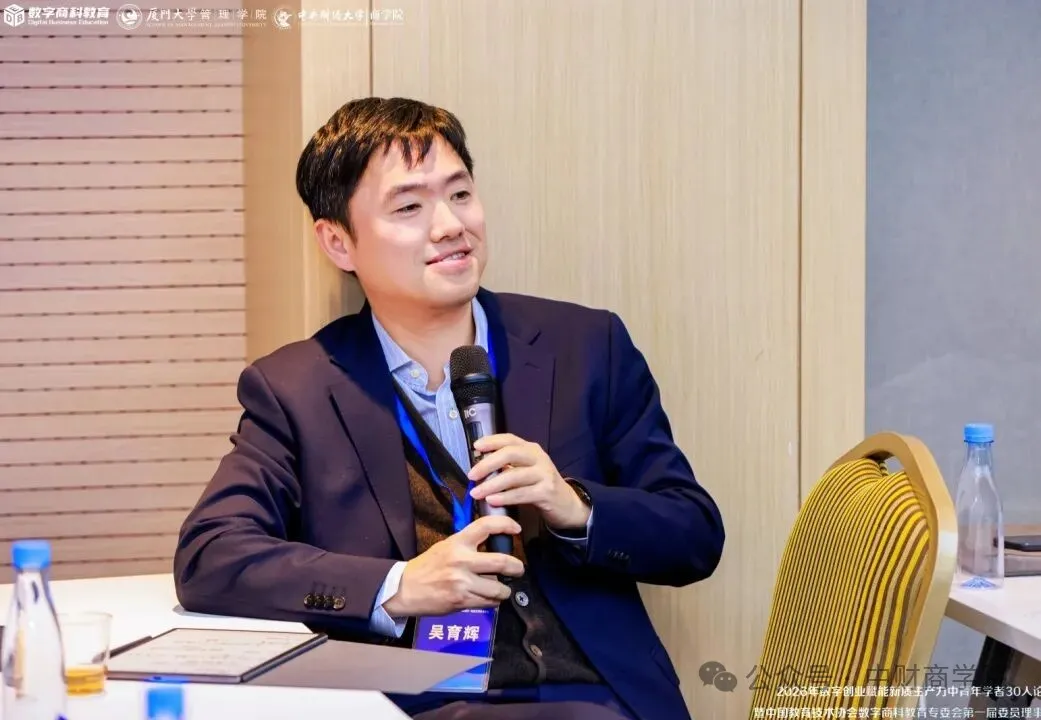
On the morning of January 10, Wu Chaopeng, Vice President of Xiamen University, and Dean of the School of Management, Huang Xiankai, Vice President of the China Association for Educational Technology, and Lin Song, Dean of CUFE Business School, delivered opening remarks. The ceremony was hosted by Wu Yuhui, Associate Dean of the School of Management of Xiamen University.
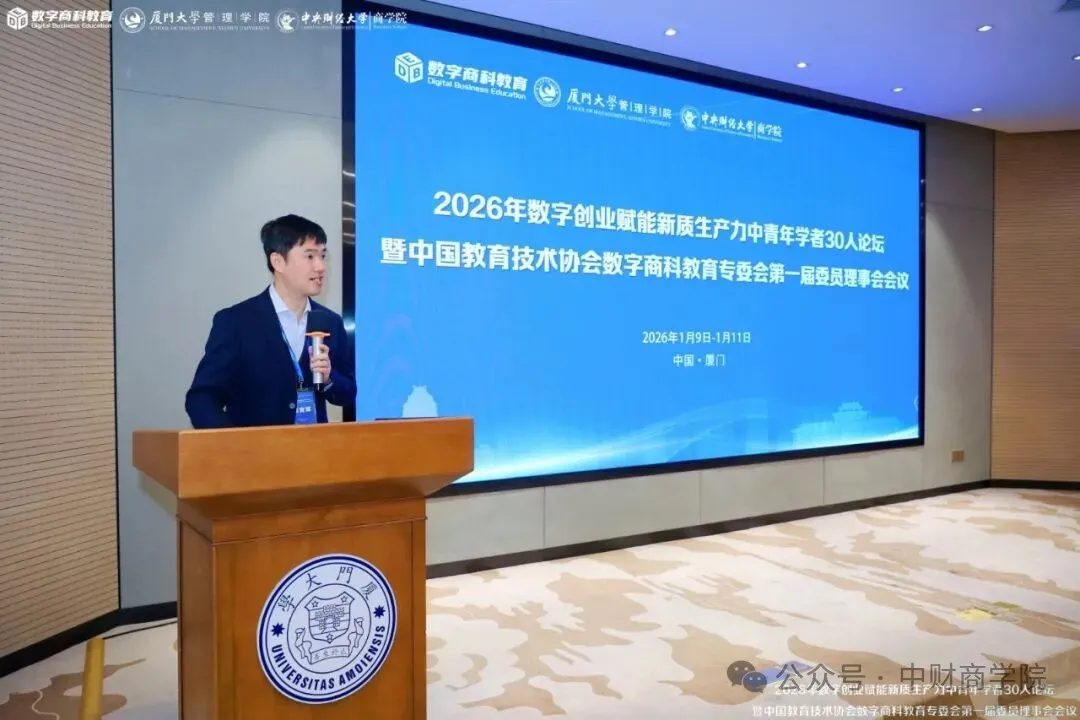
Wu Chaopeng extended a warm welcome to all guests on behalf of Xiamen University and the School of Management, highlighting the contemporary context and significance of selecting “Digital Entrepreneurship Empowering New Quality Productive Forces” as the central theme of the forum. He briefly introduced the achievements of Xiamen University and its School of Management in digital business education, including program development, teaching innovation, and research-driven empowerment. He also expressed his hope that the forum would serve as an opportunity for all participants to build academic excellence together, cultivate talent for the new era, and promote a thriving innovation ecosystem.
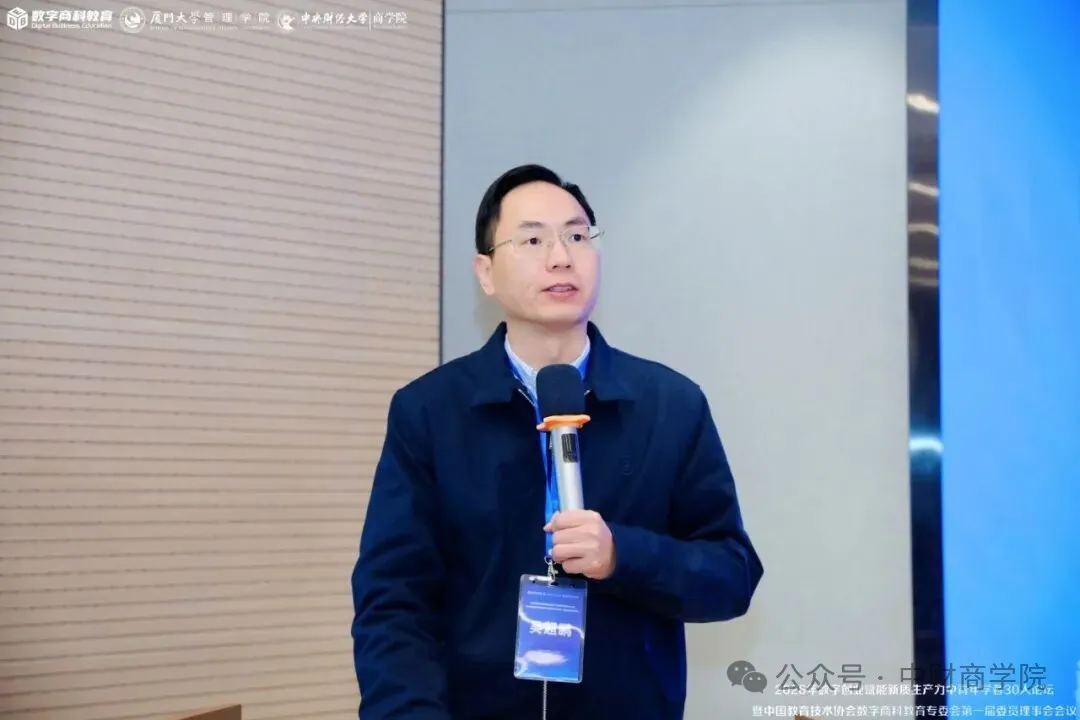
Huang Xiankai welcomed the participating scholars and experts and expressed appreciation for the careful preparations made by the organizers. He expressed his expectation that young and mid-career scholars, academic leaders, and practitioners would engage in in-depth discussions on the theoretical frontiers, teaching innovation, and practical applications of digital entrepreneurship. As this meeting also marked the first council meeting following the establishment of the Digital Business Education Committee, he proposed three expectations for its future development: maintaining a high-level strategic perspective in serving national strategies, deepening integrated innovation to build a collaborative education ecosystem, and strengthening internal development to enhance professional leadership, with the shared goal of promoting high-quality development of digital business education.
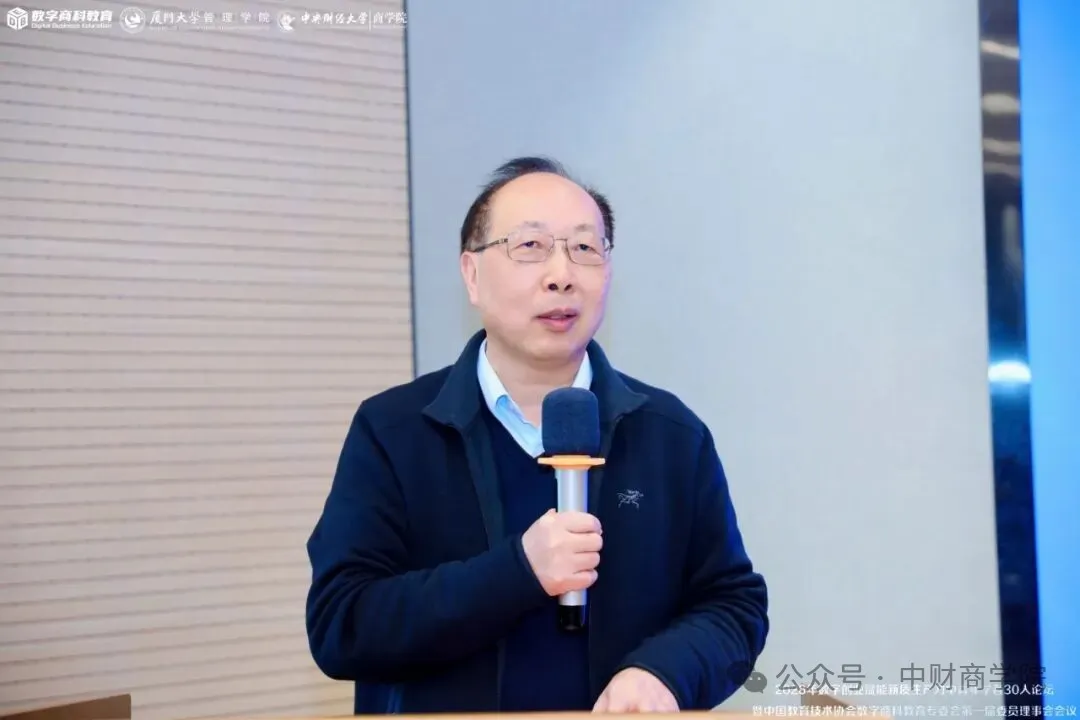
In his remarks, Lin Song first expressed gratitude to the School of Management of Xiamen University for its meticulous organization and to all participants for attending despite their busy schedules at the end of the academic term. He reviewed the origins of the series of activities, mentioning two core initiatives launched in 2024 and the rationale for jointly organizing the forum with the Digital Business Education Committee. He also emphasized that the forum aimed to foster diverse intellectual exchanges through intensive and high-density discussions. Finally, he highlighted the importance of leveraging the full schedule to promote collaboration and wished the forum great success.

Keynote Speeches
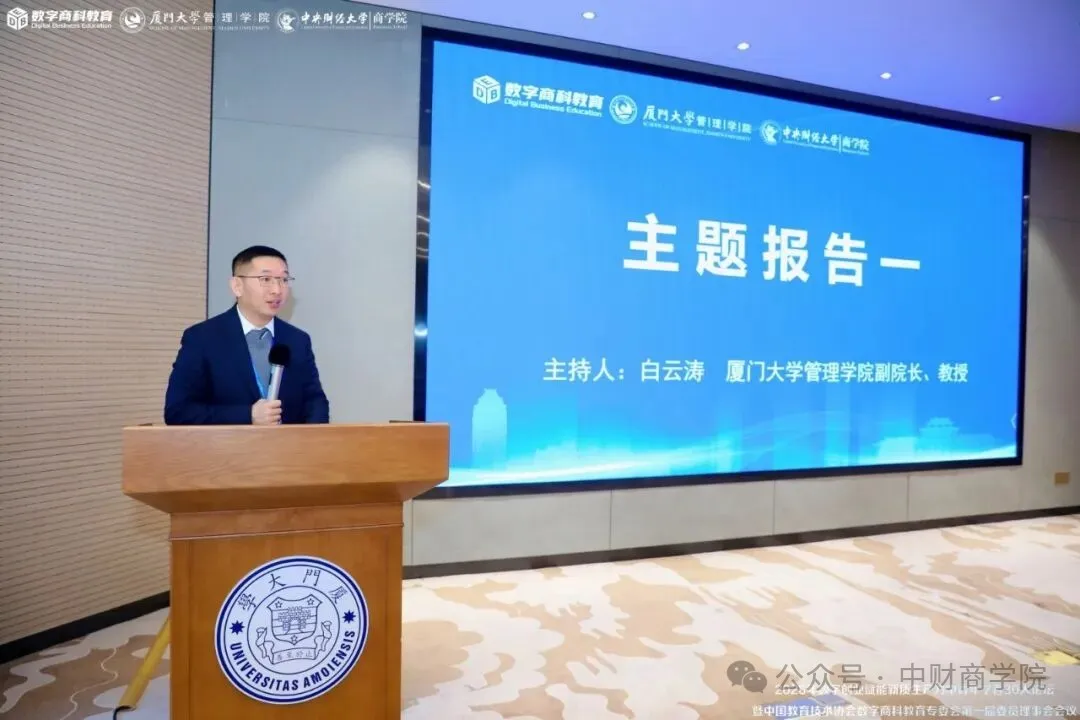
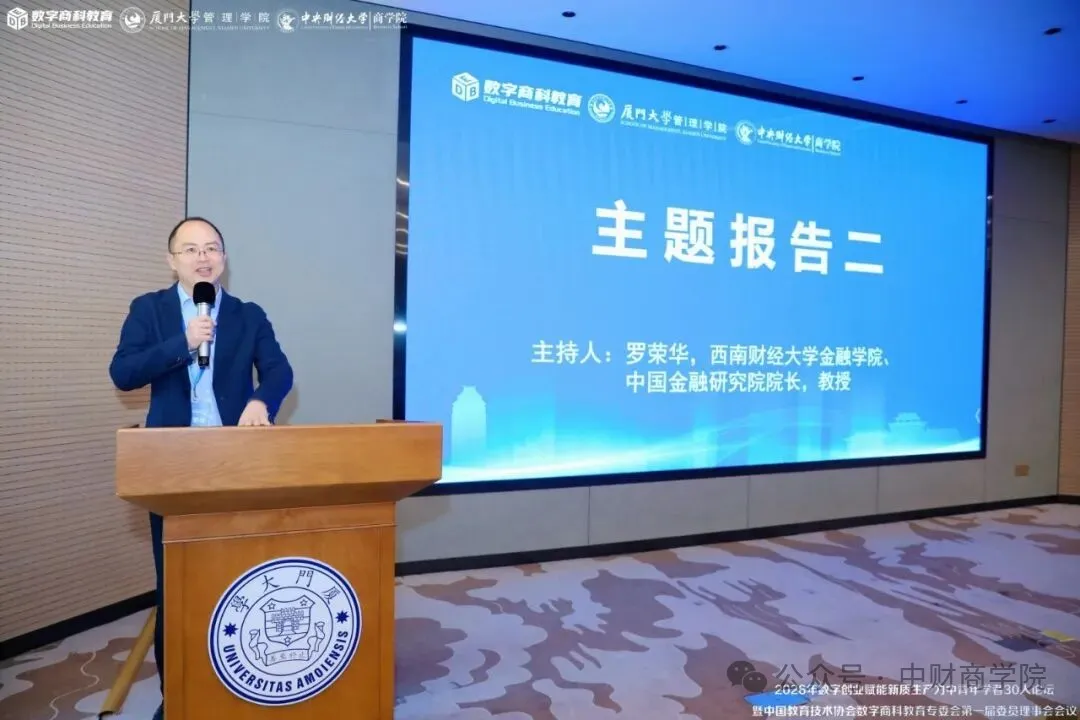
The main forum consisted of two sessions chaired respectively by Professor Bai Yuntao, Associate Dean of the School of Management of Xiamen University, and Professor Luo Ronghua, Dean of the School of Finance at Southwestern University of Finance and Economics and Director of the China Financial Research Institute.
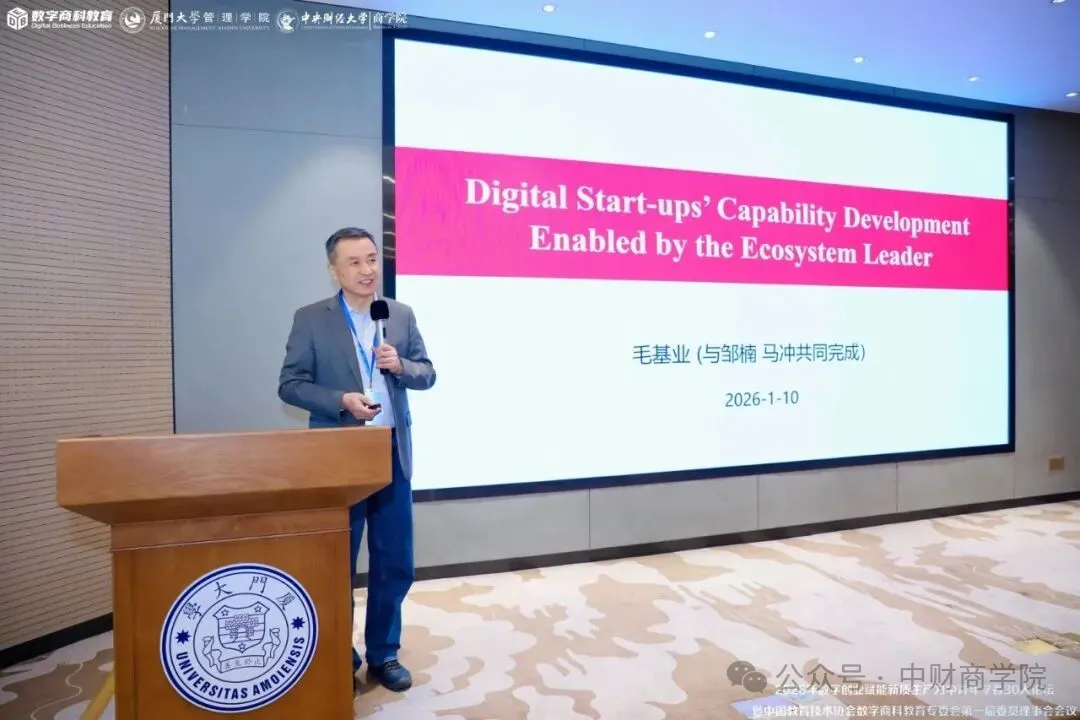
Professor Mao Jiye, Dean of the School of Entrepreneurship and Management at ShanghaiTech University, focused on digital entrepreneurship and the empowerment of new quality productive forces. He systematically explained the characteristics of the era marked by the deep integration of digital technologies and artificial intelligence, discussing entrepreneurial pathways, core logic, and representative cases. He also proposed two key approaches to improving entrepreneurial success rates.
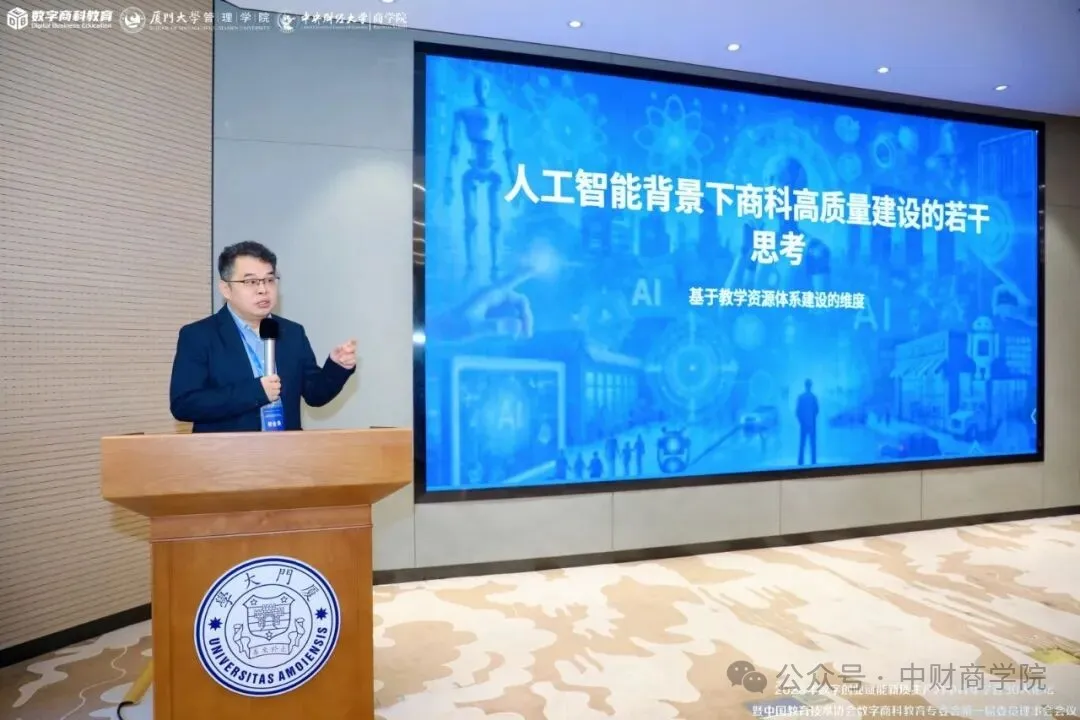
Dr. Guo Jinlu, Director and Senior Editor of the Digital Textbook University Cooperation Department of Higher Education Press, emphasized that in the AI era, business education should adopt technology integration, data-driven approaches, practice orientation, and continuous evolution as its core principles, thereby constructing an intelligent and dynamic teaching resource system. He stressed the importance of platform development, faculty transformation, and industry–academia–research collaboration in cultivating interdisciplinary business talents equipped with AI application capabilities.
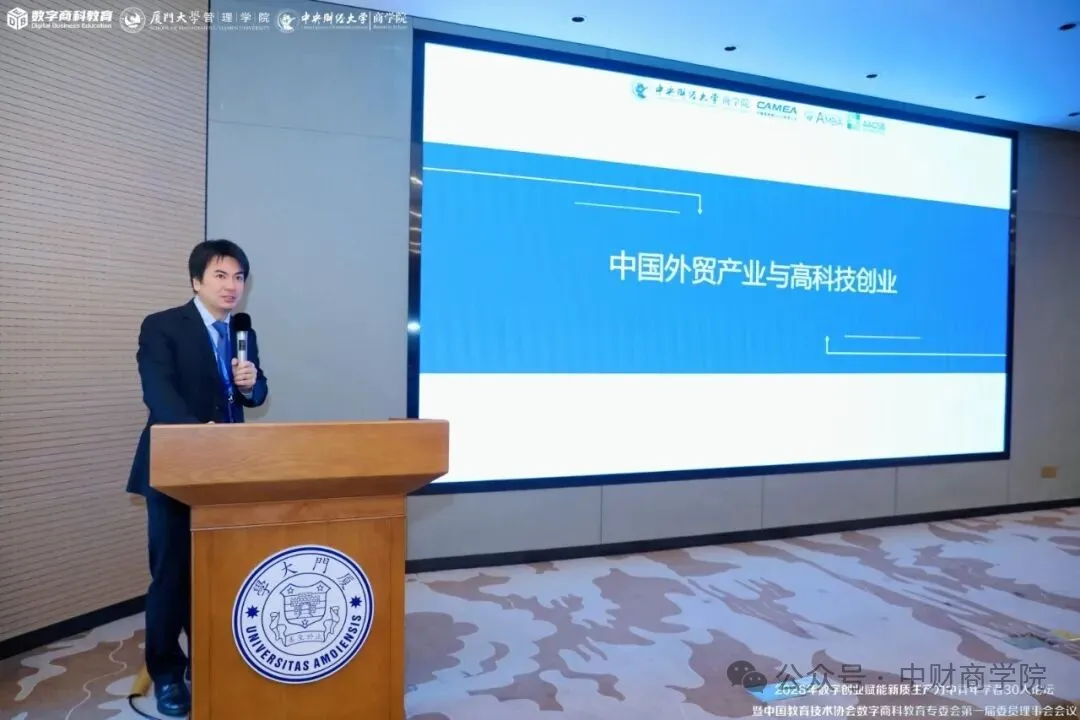
Professor Lin Song, Dean of CUFE Business School, presented an empirical study based on panel data from Chinese cities between 2002 and 2021, revealing that export trade significantly promotes high-tech entrepreneurship, with mechanisms including innovation capacity, human capital accumulation, and capital supply. The study also identified multidimensional heterogeneity in this effect and provided theoretical support for policies related to high-level opening-up and entrepreneurship development.
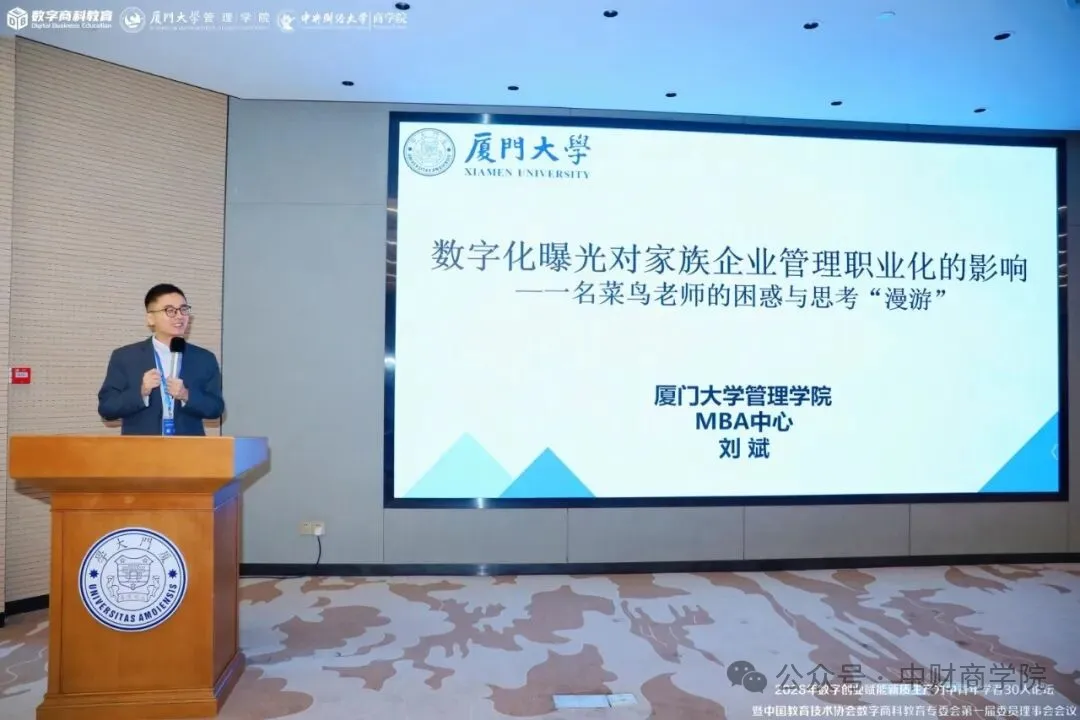
Associate Professor Liu Bin from the School of Management of Xiamen University pointed out that digital exposure promotes the professionalization of family business management through mechanisms such as capital dilution and performance pressure, though it is constrained by factors including socioemotional wealth. Reflecting on challenges encountered in teaching and research, he called for business schools to return to classic theories, strengthen analytical thinking training, and emphasize context-based teaching approaches.
2026 Forum for Young and Mid-Career Scholars on Digital Entrepreneurship Empowering New Quality Productive Forces
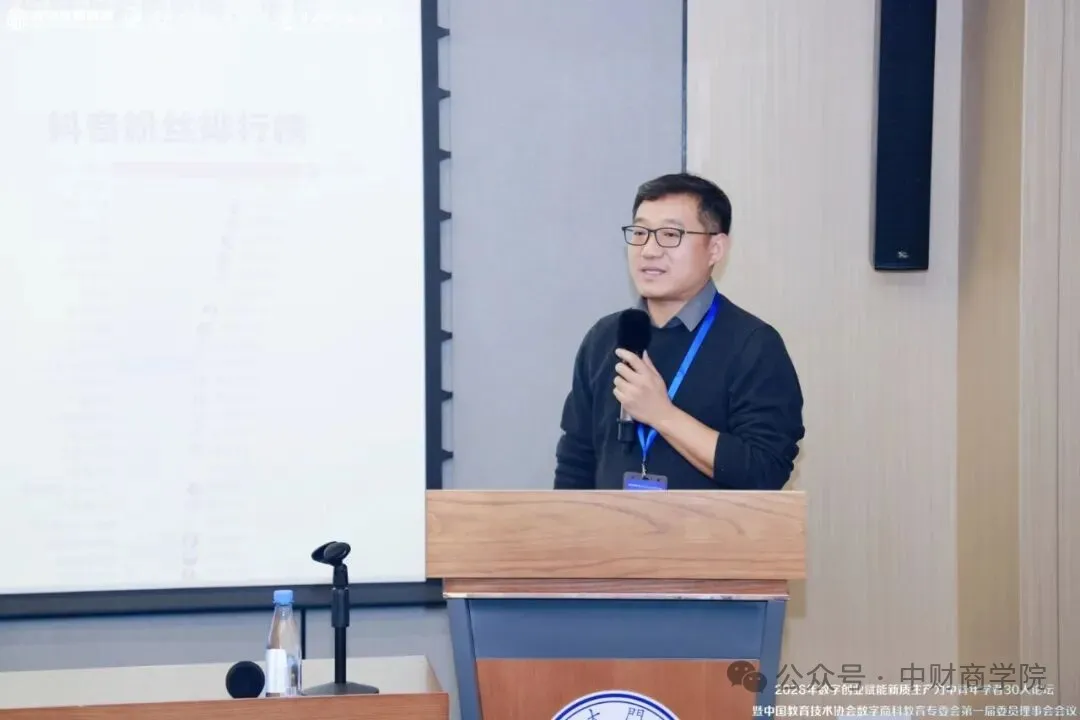
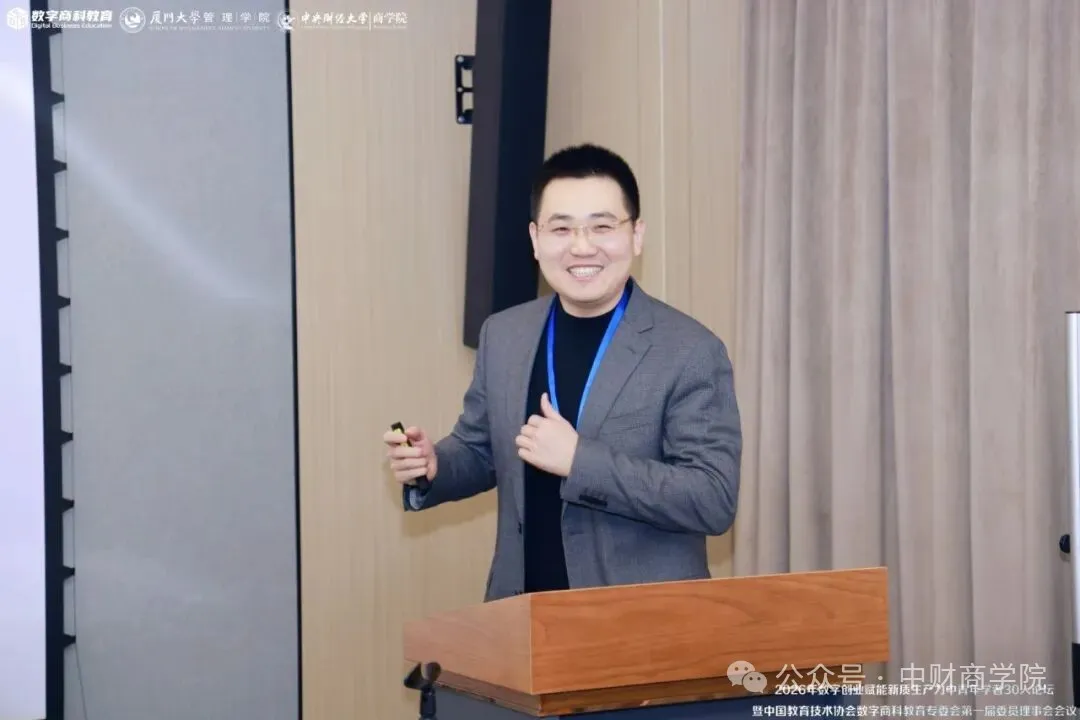
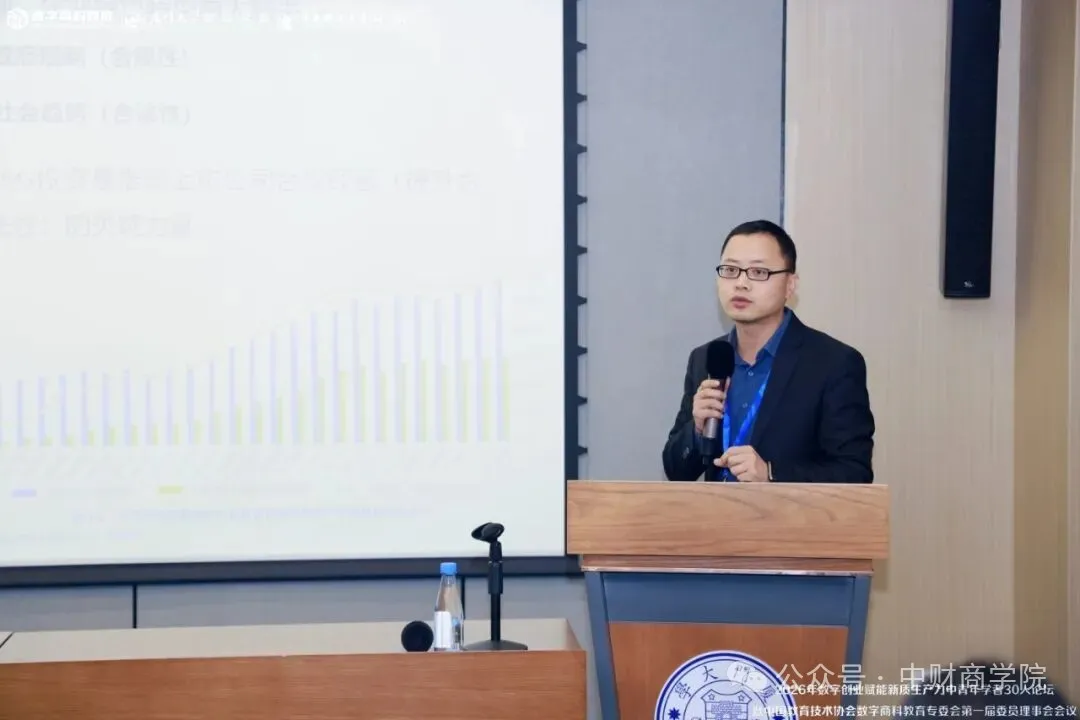
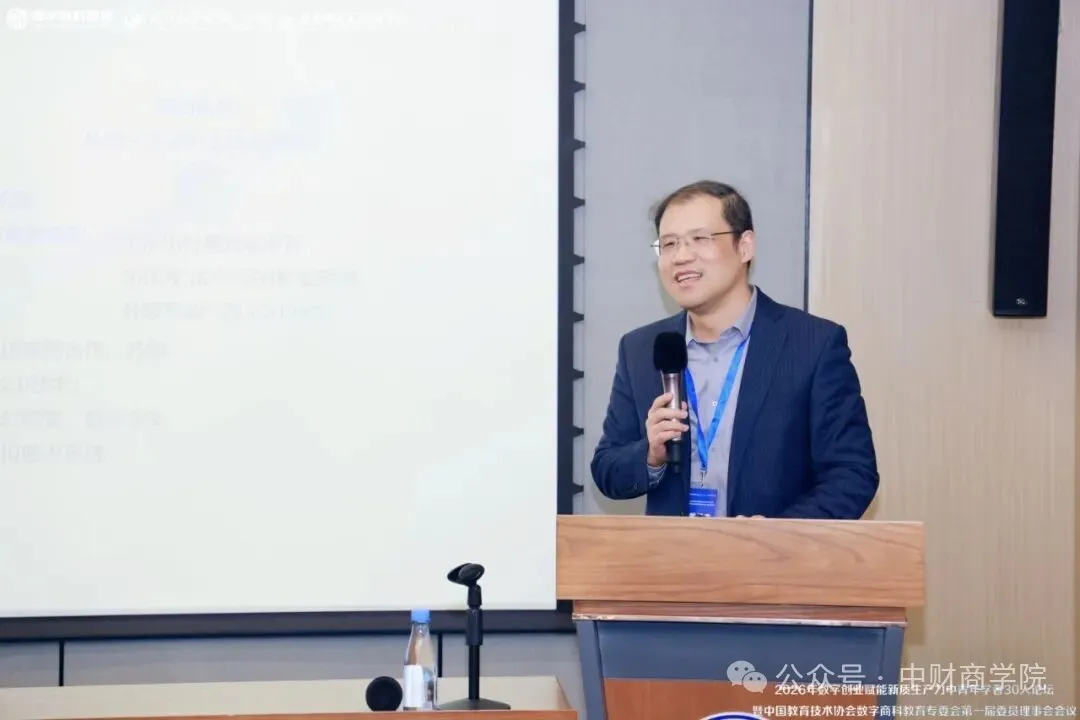
As a key component of the conference, the 2026 “30-Person Forum for Young and Mid-Career Scholars on Digital Entrepreneurship Empowering New Quality Productive Forces” was held on the afternoon of January 10. The forum featured three thematic sub-forums: “Entrepreneurial Ecosystems in the Digital Era,” “Industrial Transformation in the Digital Era,” and “Higher Education and Academic Research in the Digital Era.” These sessions were chaired respectively by Professor Chen Qingjiang, Associate Dean of the School of Business Administration of Shandong University of Finance and Economics, Assistant Professor Liu Zixu of CUFE Business School, and Assistant Professor Su Zhonghai from the School of Management of Xiamen University.
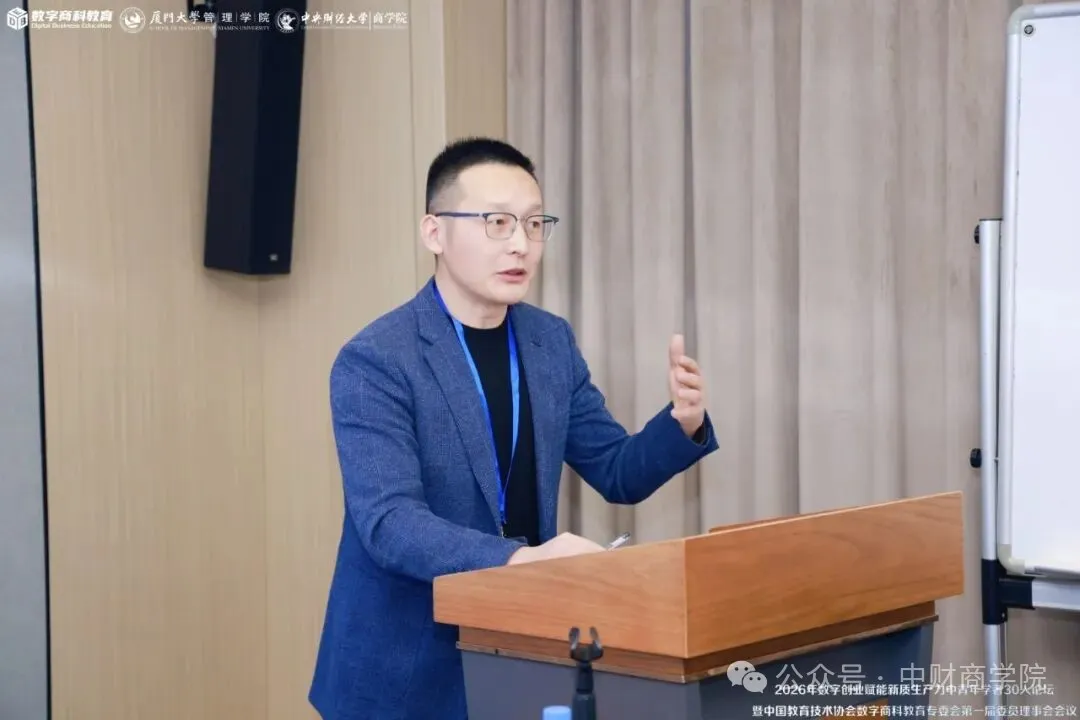
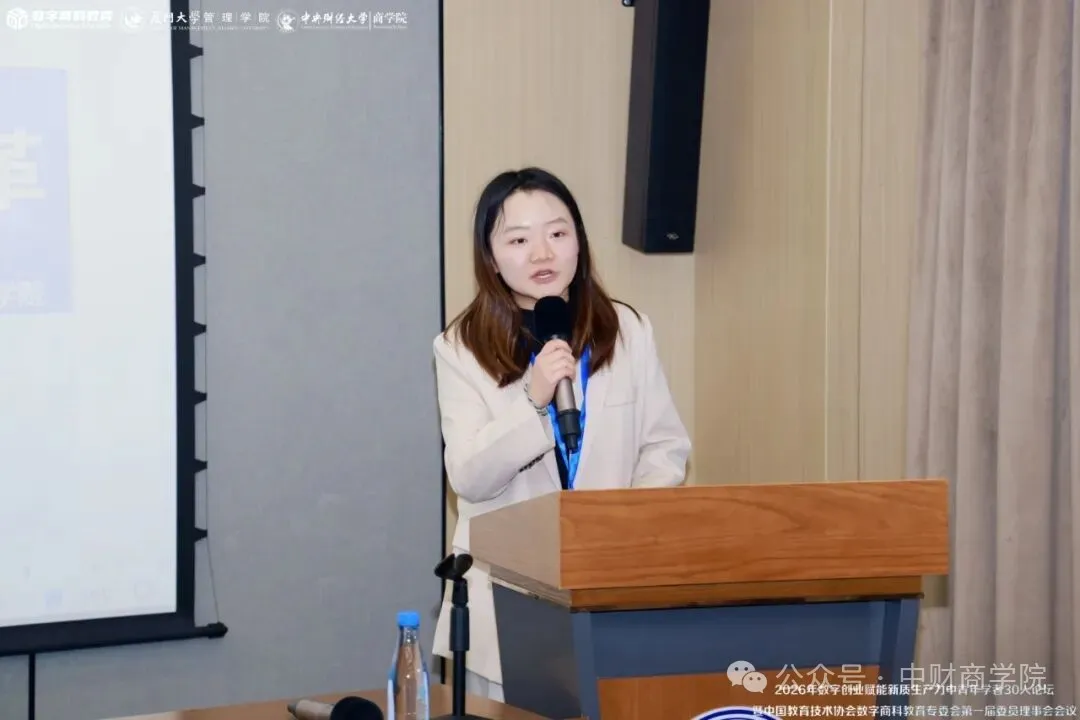
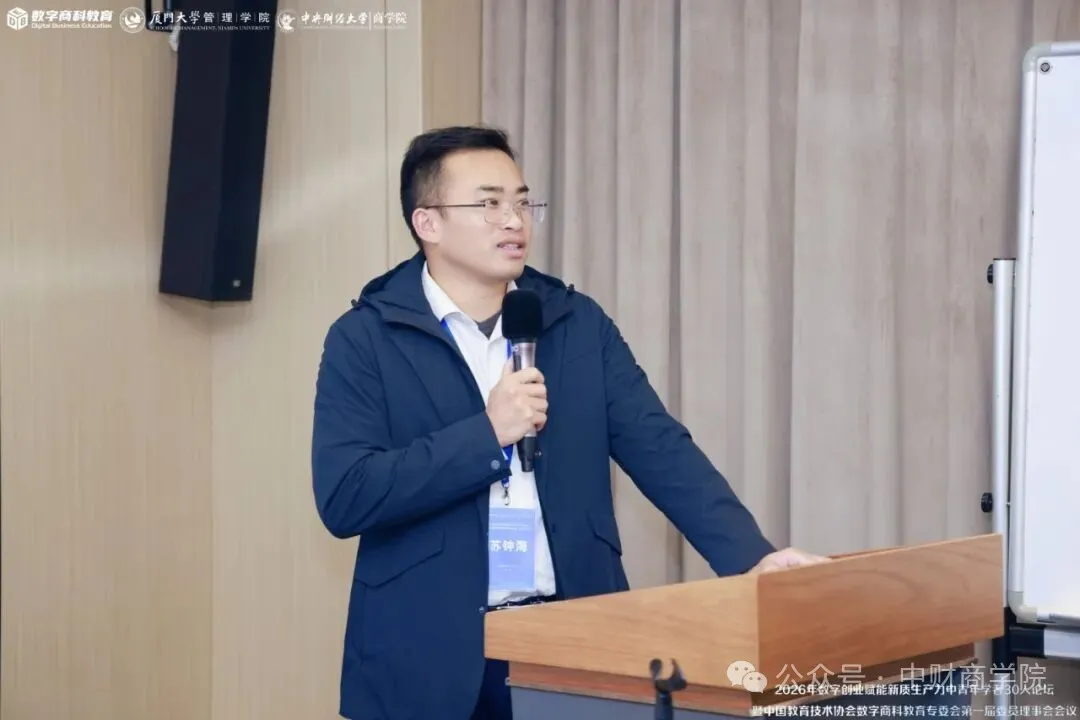
Centered on the theme of “Digital Entrepreneurship Empowering New Quality Productive Forces,” the forum gathered cutting-edge research from young and mid-career scholars. Sixteen scholars presented their latest findings, covering topics ranging from embedded logic of digital platform ecosystems and AI-driven product innovation, to green industrial transformation, technology commercialization, innovation in specialized and sophisticated SMEs, and entrepreneurship education empowerment. These topics spanned the entire value chain of digital entrepreneurship and business education. Drawing on representative cases such as Huawei HarmonyOS and Fotile’s innovation practices, the scholars provided insightful analyses of how digital technologies reshape entrepreneurial models, industrial structures, and educational systems. Discussions also addressed frontier topics such as the value transformation of entrepreneurial failure emotions, AI applications in specialized SMEs, and the identification of disruptive technologies. The exchanges integrated theory and practice, generating strong intellectual resonance. At the end of the forum, a representative from the editorial office of Management World introduced measures to optimize the journal’s peer review process and offered guidance to support young scholars in academic publishing.
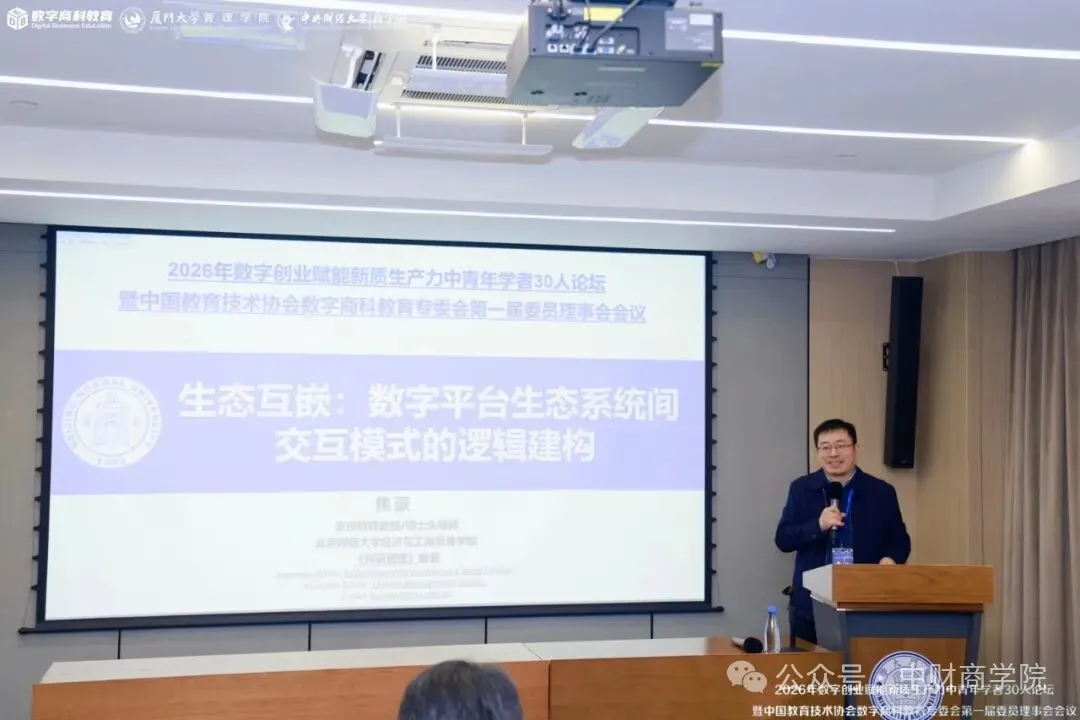
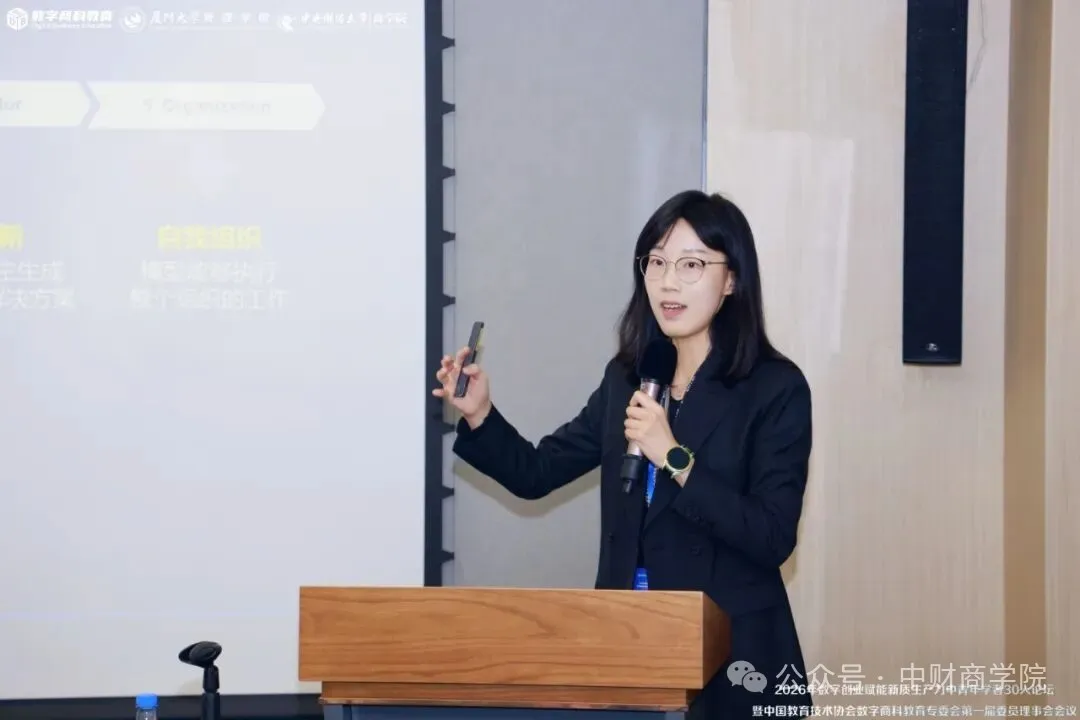
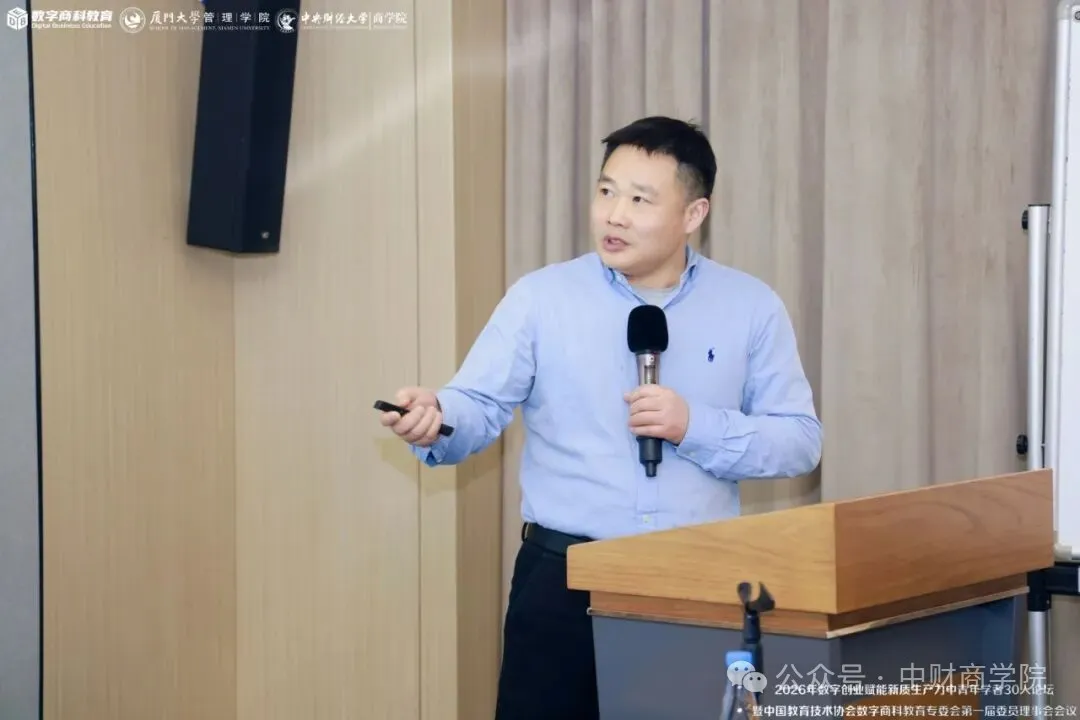
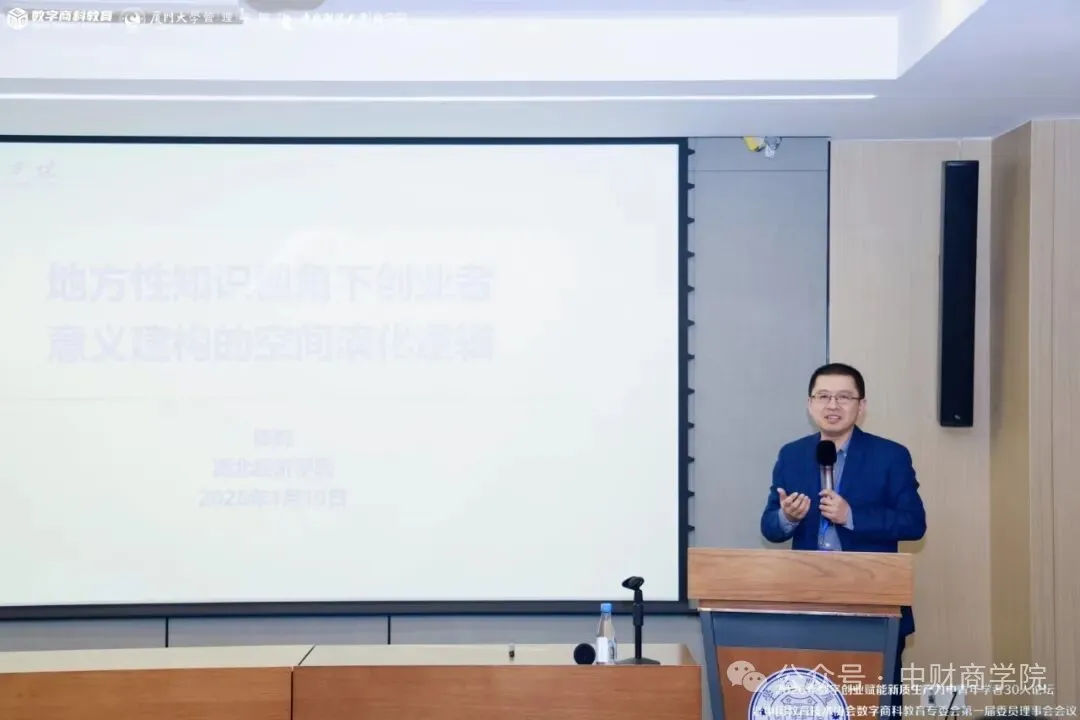
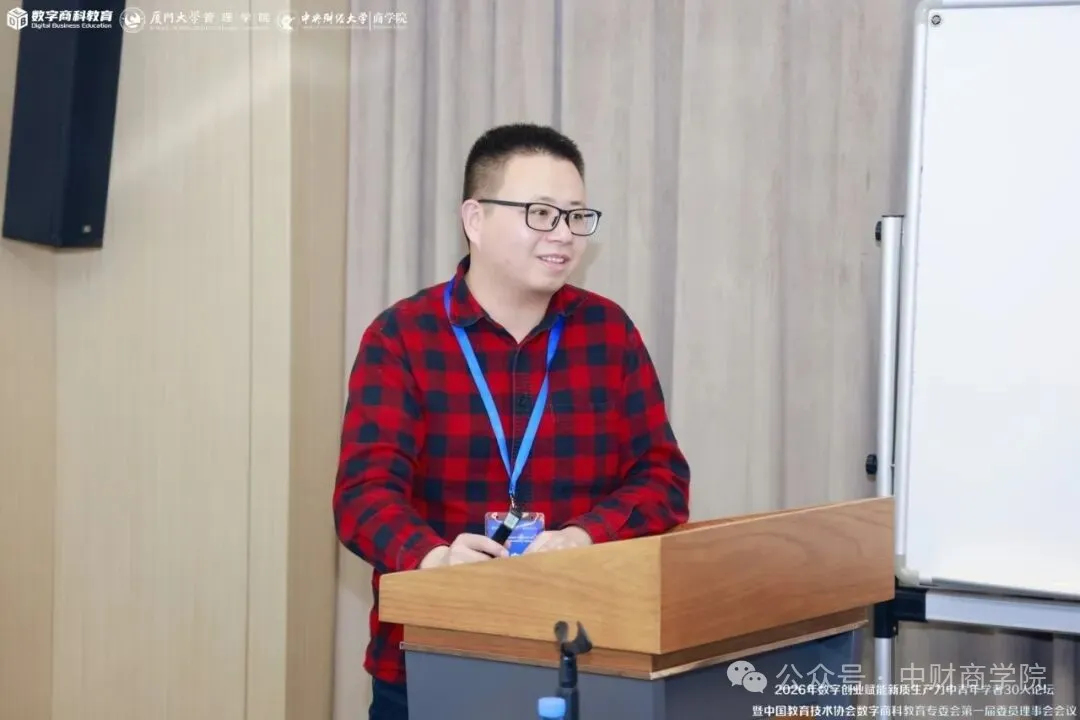
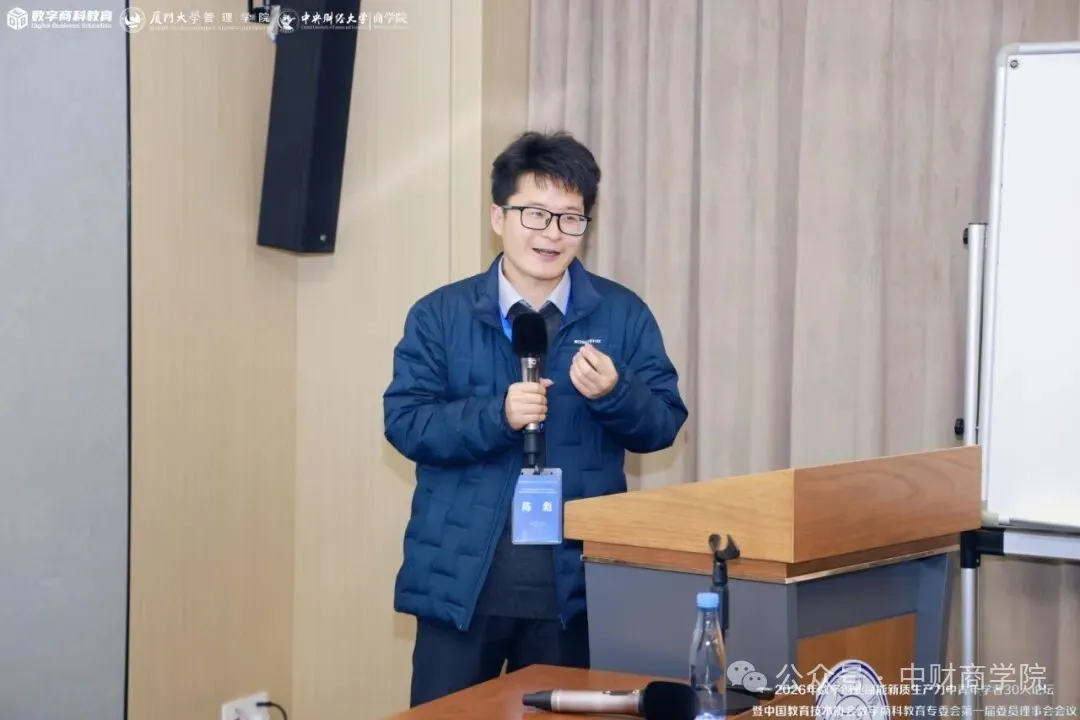
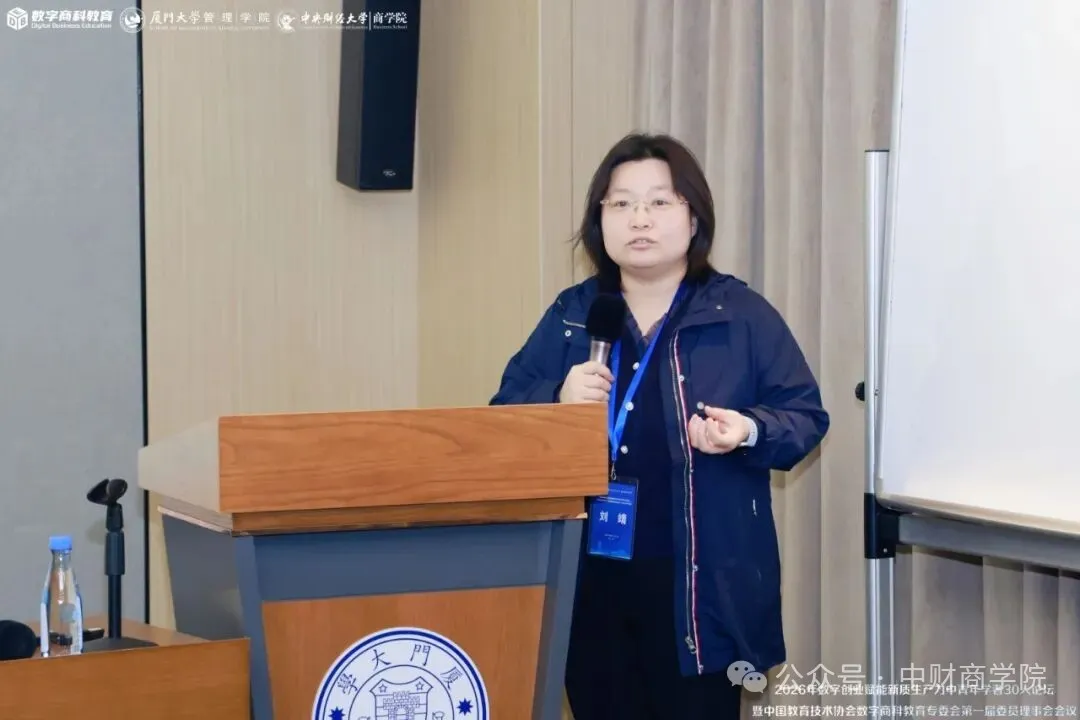
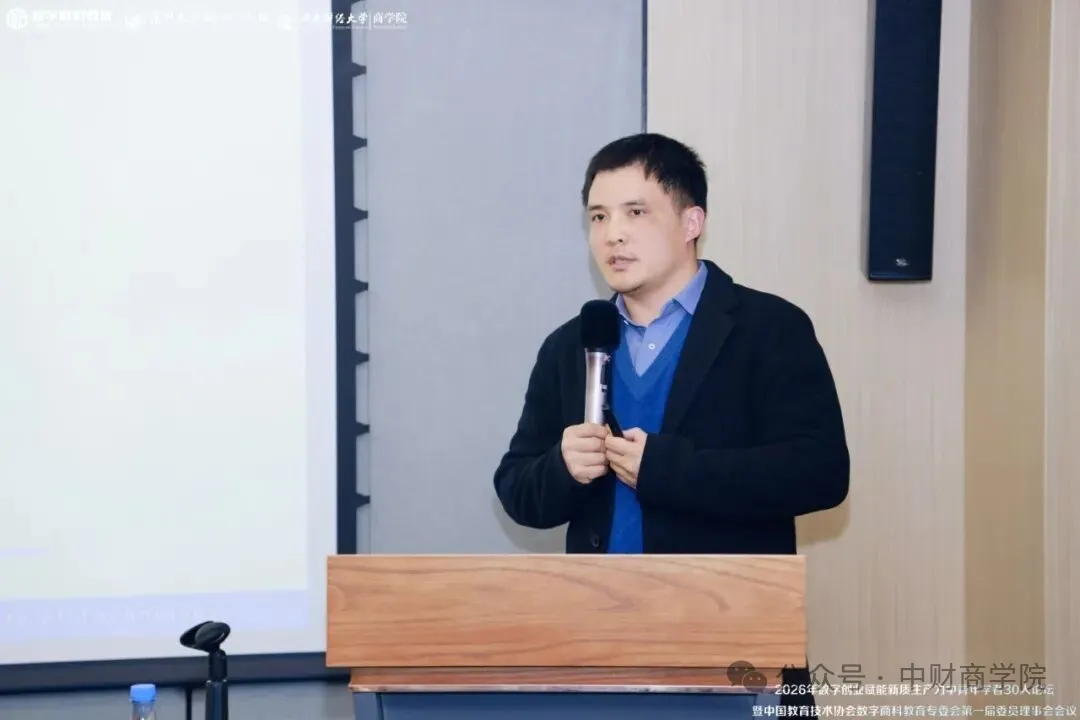
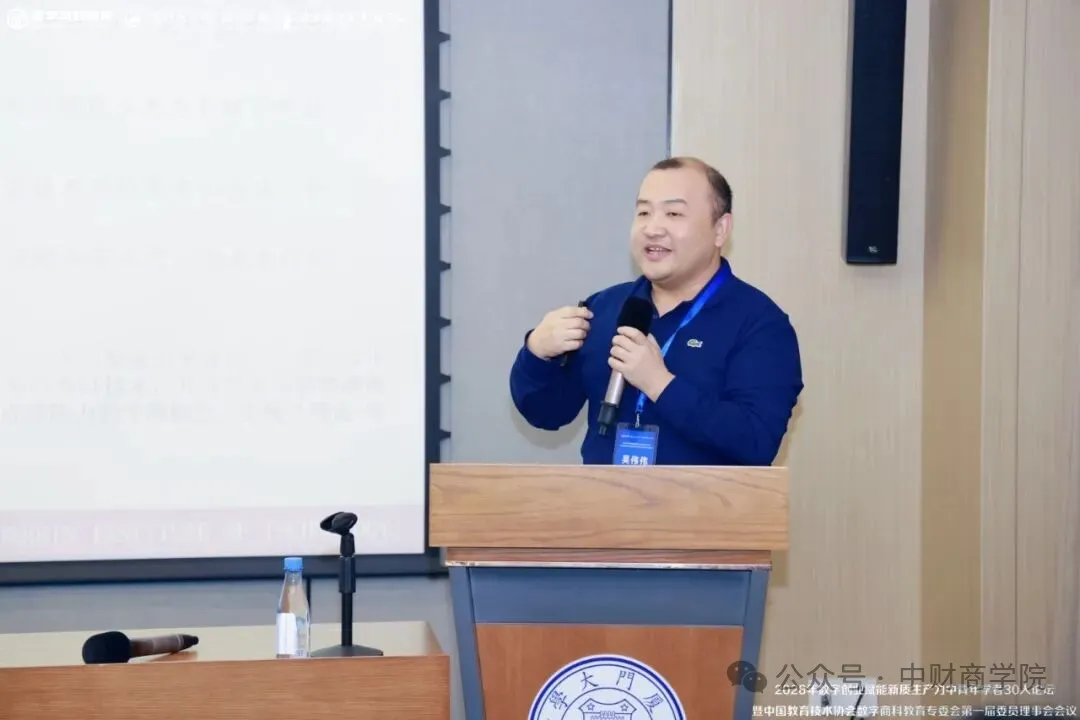
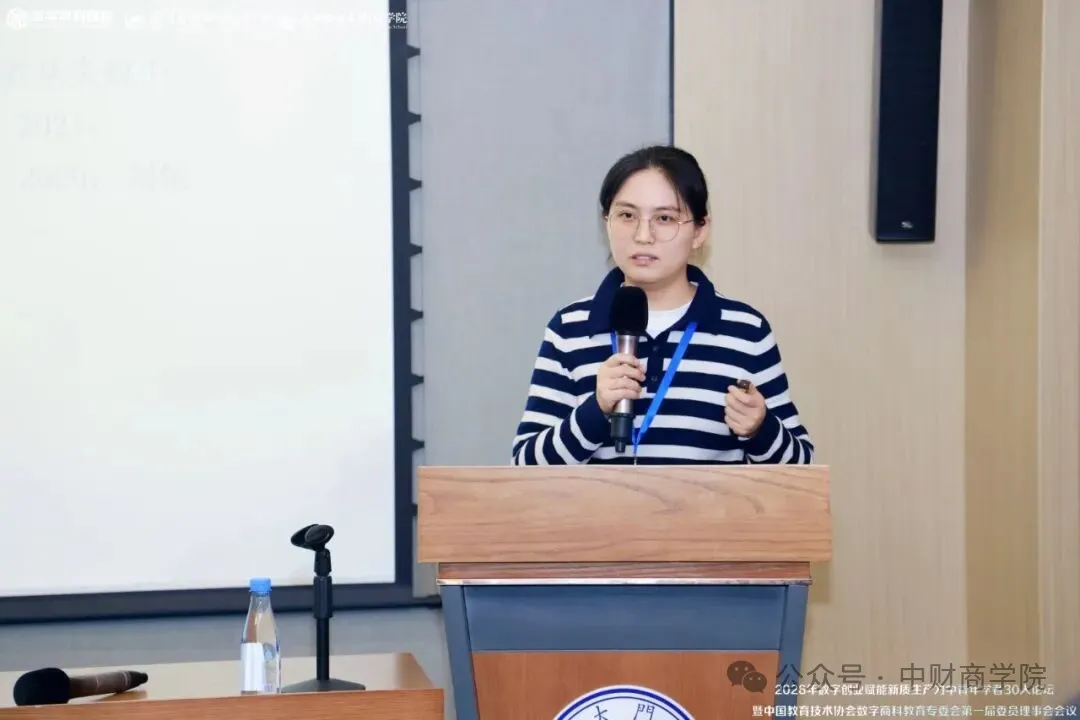
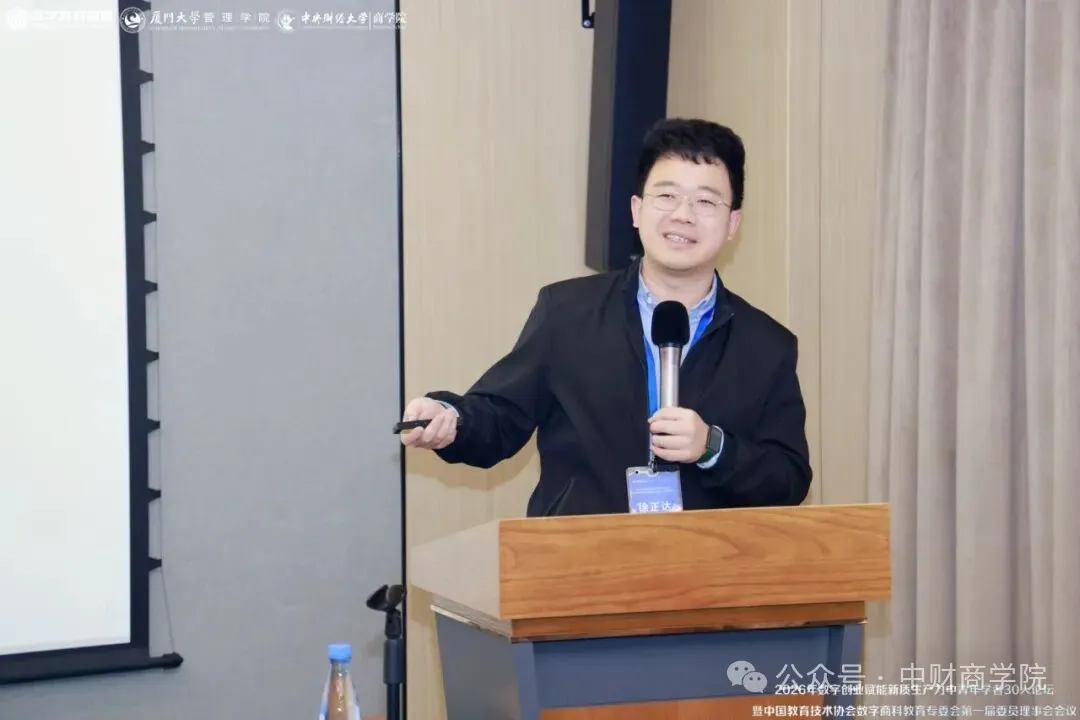
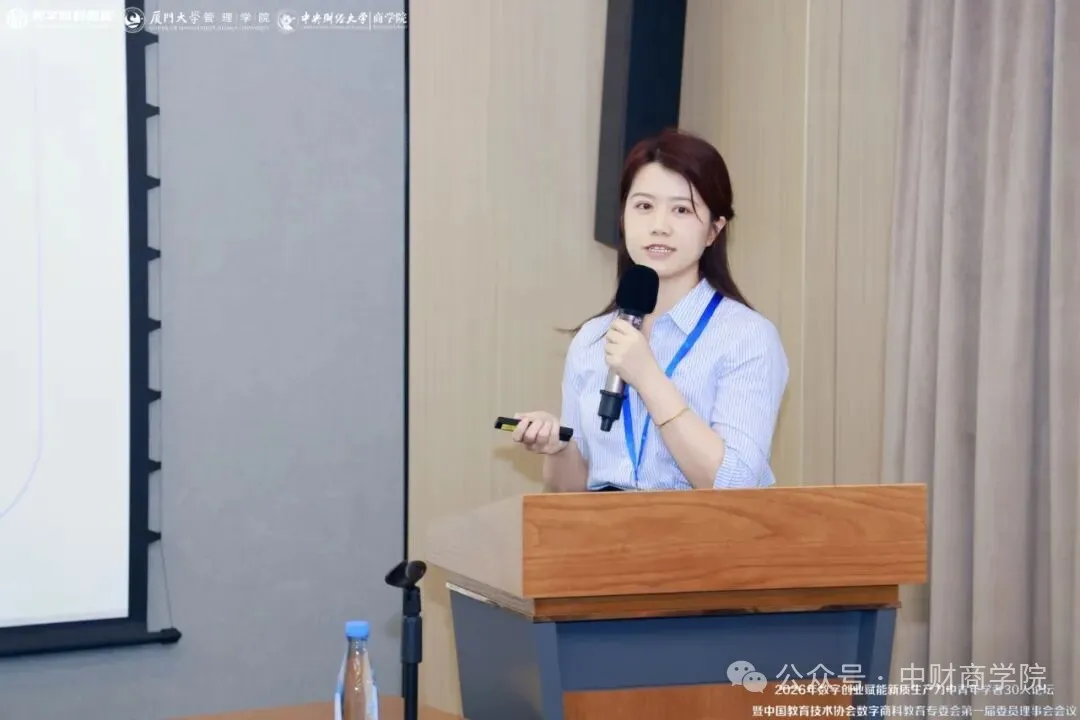
In the closing session, Lin Song delivered concluding remarks. He emphasized that the digital era requires industry–education integration to cultivate high-quality entrepreneurial talent. In the future, the forum will continue promoting the deep integration of academic resources and digital business education through initiatives such as textbook development, curriculum construction, and joint academic workshops, aiming to create a new paradigm for cultivating high-quality business talents and injecting business-driven momentum into the development of new quality productive forces.
First Council Meeting of the Digital Business Education Committee of the China Association for Educational Technology
On the afternoon of January 10, the First Council Meeting of the Digital Business Education Committee of the China Association for Educational Technology was held concurrently with the forum, connecting both offline participants and online attendees via video conferencing to jointly outline a new blueprint for the development of digital business education.
Academician Wang Shouyang emphasized in his remarks that the committee should align closely with national strategic needs, promote the digital transformation of business education, and advance development from four dimensions: strategic alignment, cross-university collaboration, ecosystem construction, and practical implementation, thereby building a high-quality professional brand.
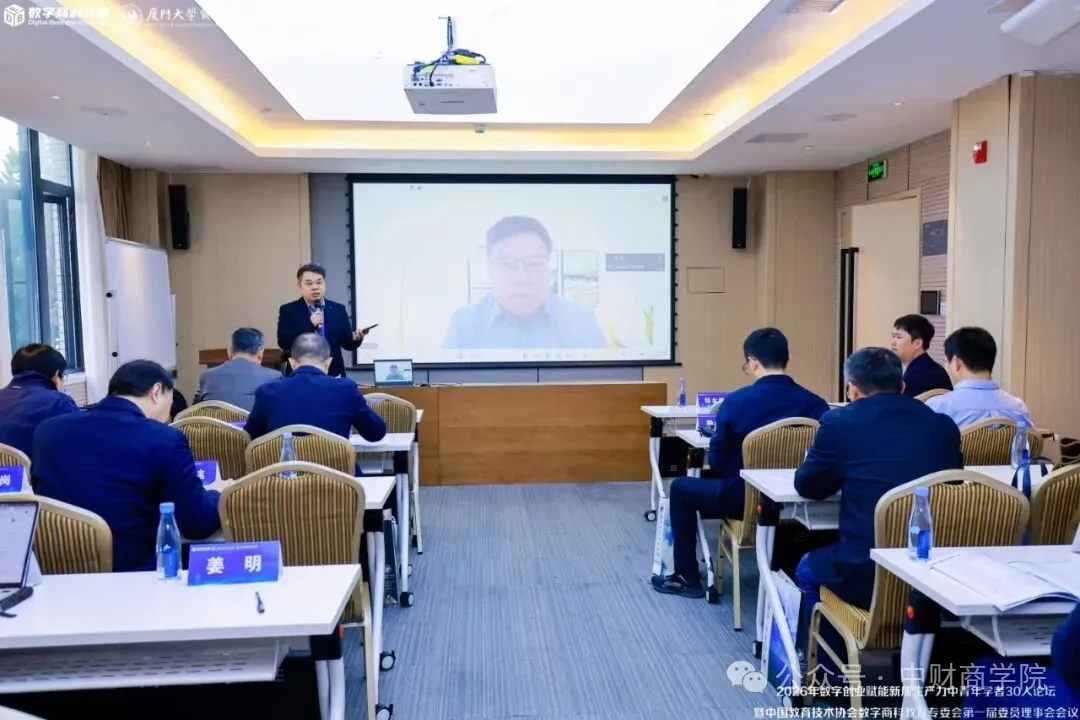
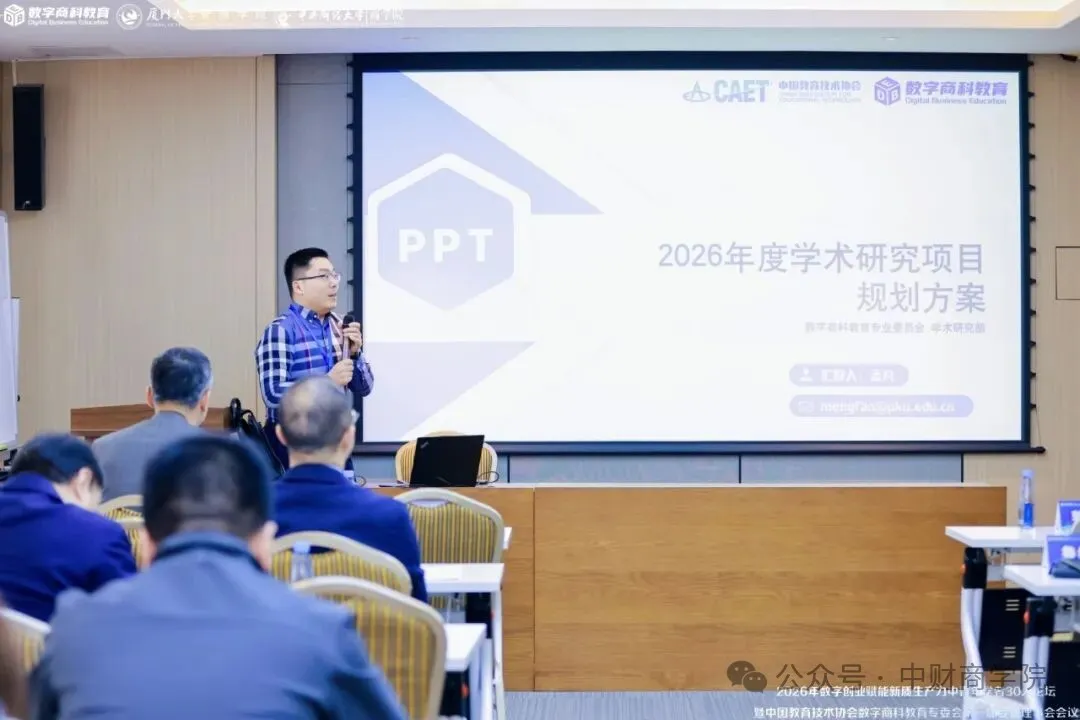
The Secretariat subsequently introduced the positioning, responsibilities, and operational mechanisms of the committee’s eight functional departments, each of which reported its annual work plan. The Academic Research Department plans to launch 3–5 key research projects and 15–20 general research projects, building a systematic research framework for digital business studies. The collaborative course “Teaching and Research in Economics and Management Disciplines in the AI Era” will be jointly developed to form a learning community for faculty members. The Digital Business Smart Cloud Platform will soon be launched, providing services including learning programs, training sessions, and live lectures. Meanwhile, the Standards and Accreditation Department will formulate Chinese Business School Accreditation Standards to promote educational quality upgrades. Additional initiatives will also be implemented, including the three-stage strategy for international cooperation, faculty training programs for vocational education, the “100 Entrepreneurs in Residence” program, and the “Promoting the Long March Spirit” nationwide themed activity involving hundreds of universities and tens of thousands of participants, aiming to build a comprehensive ecosystem integrating industry, academia, research, and application.
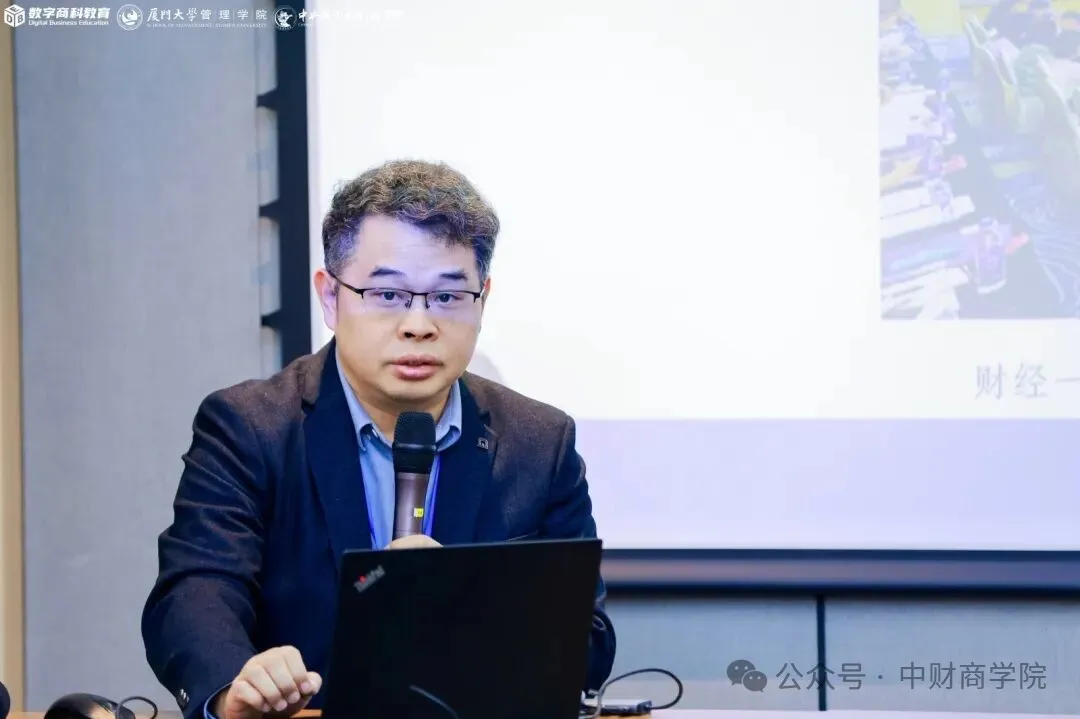
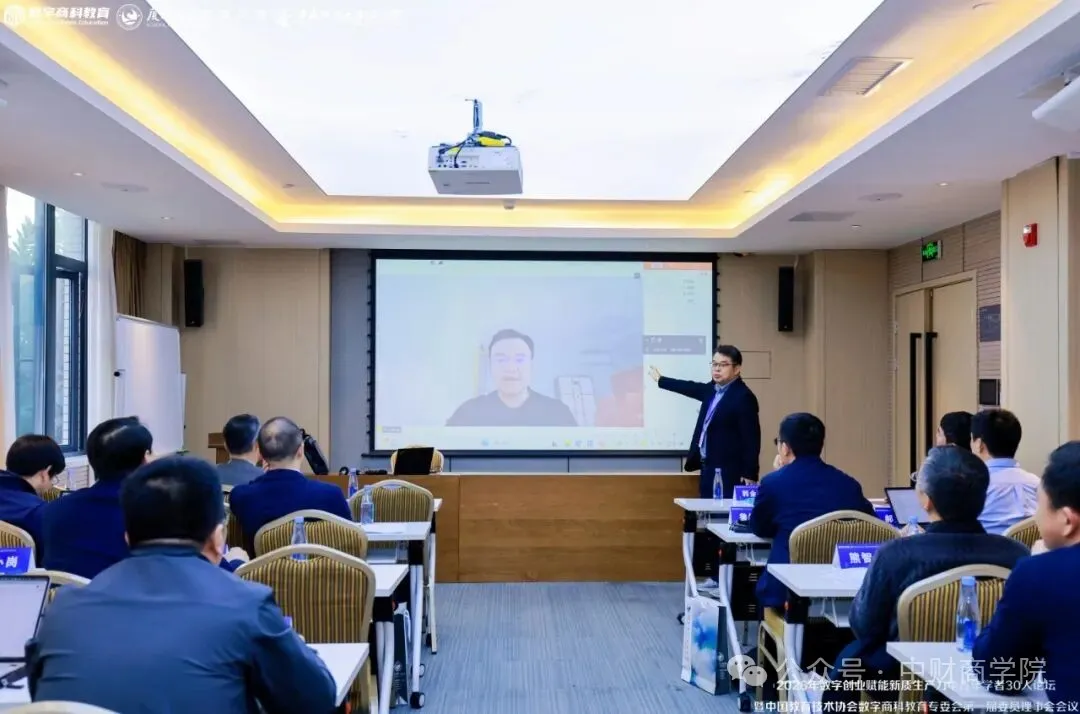
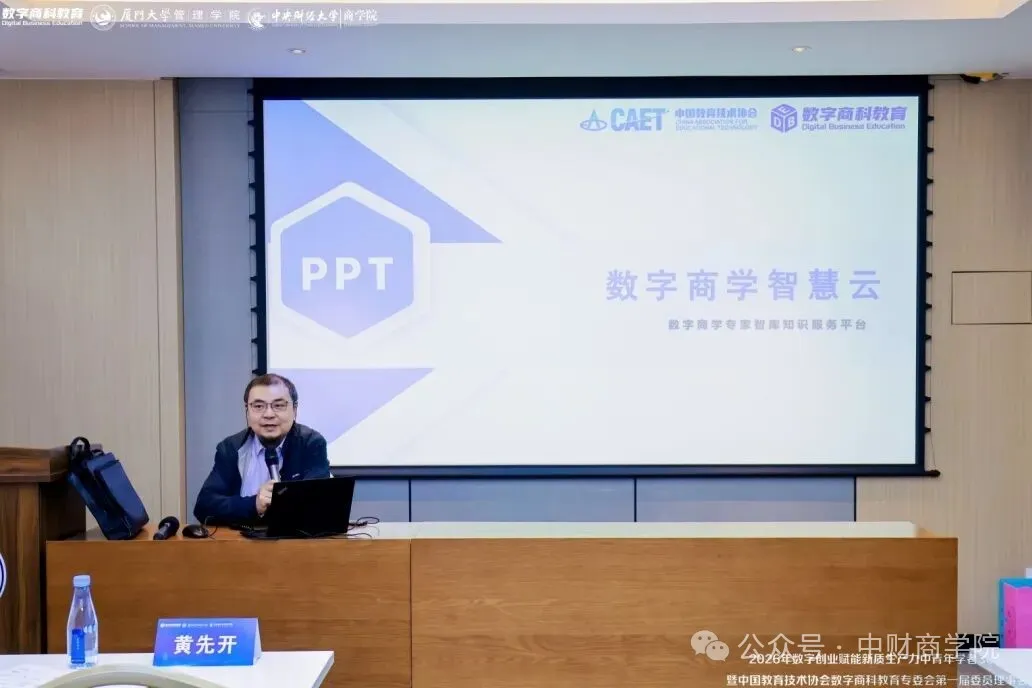
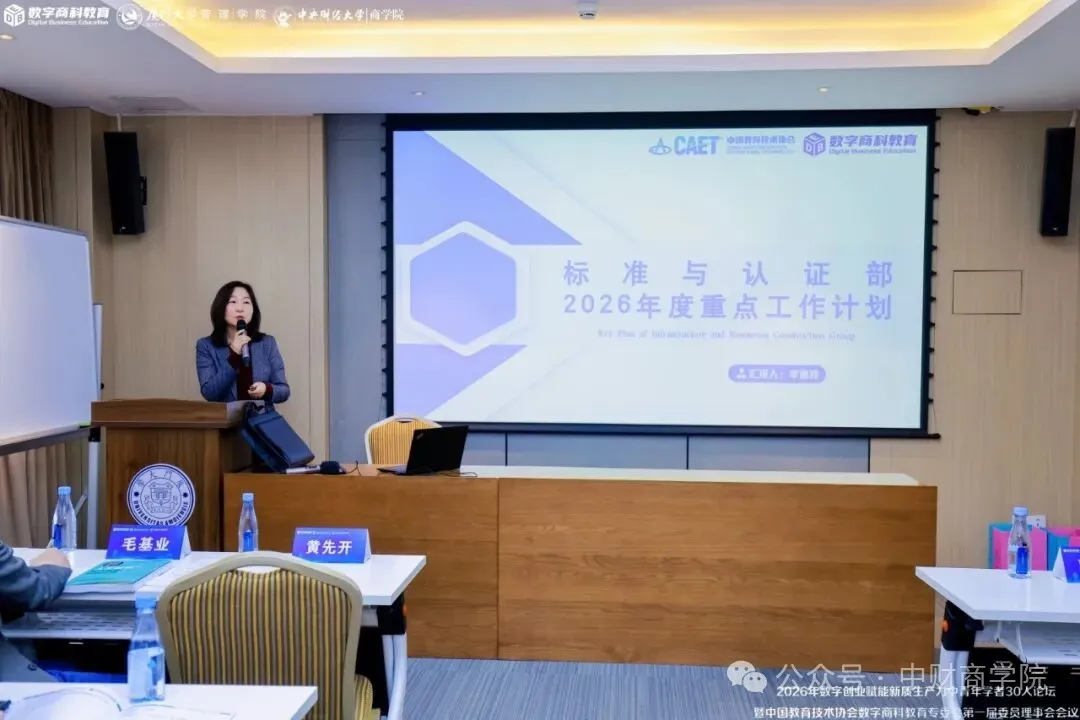
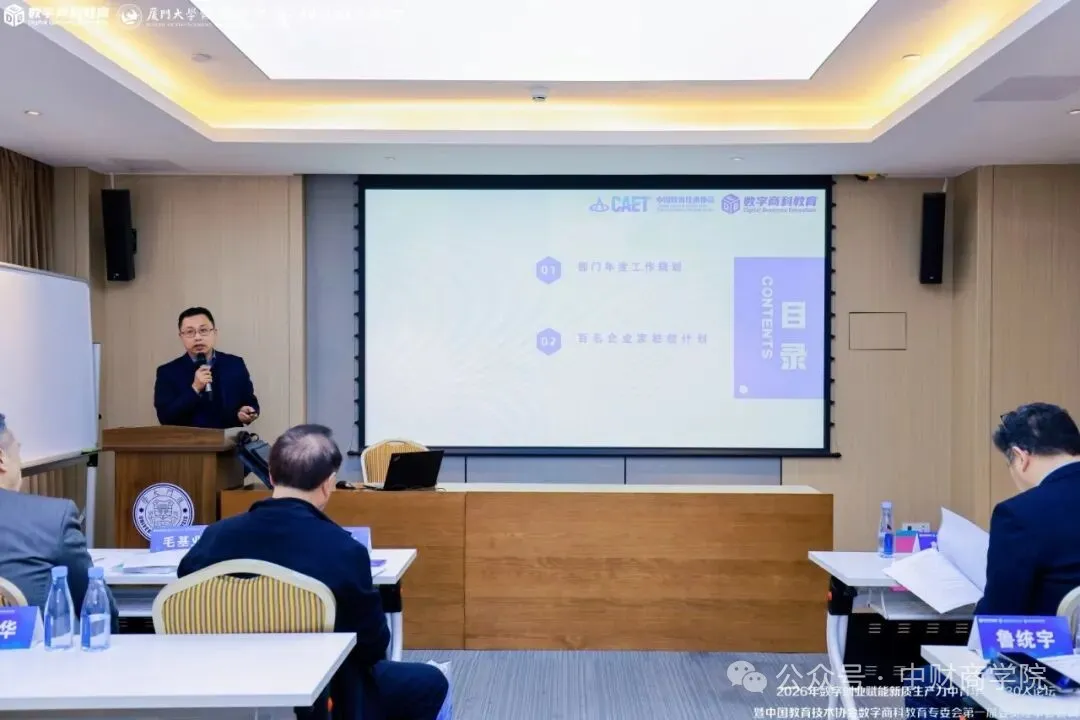
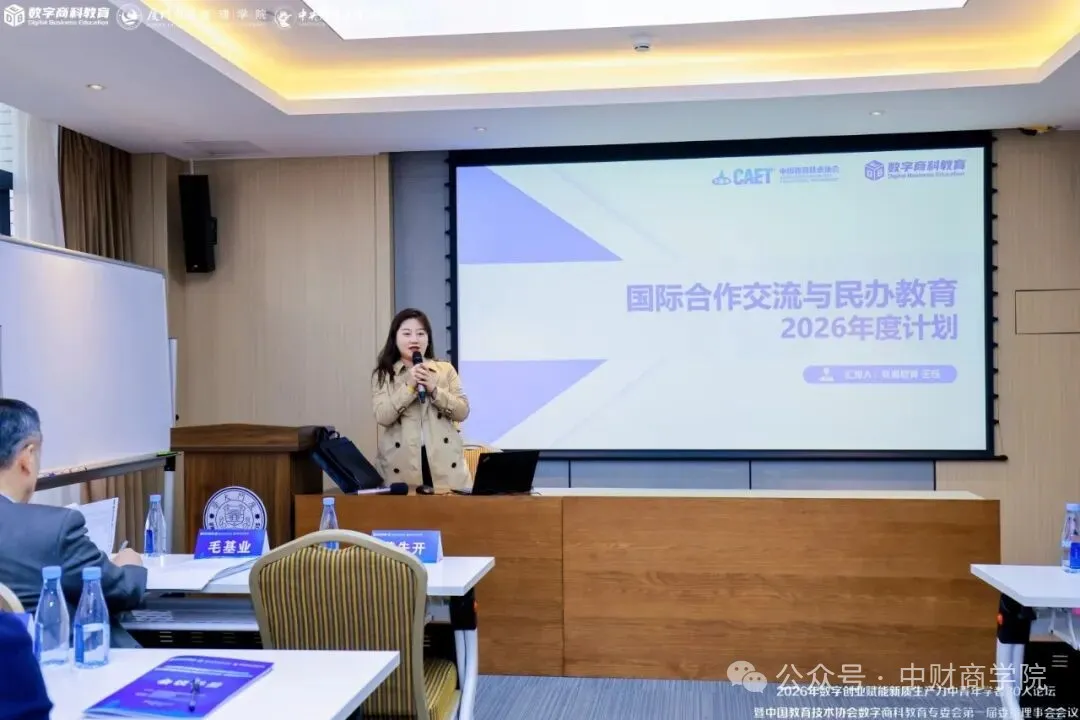
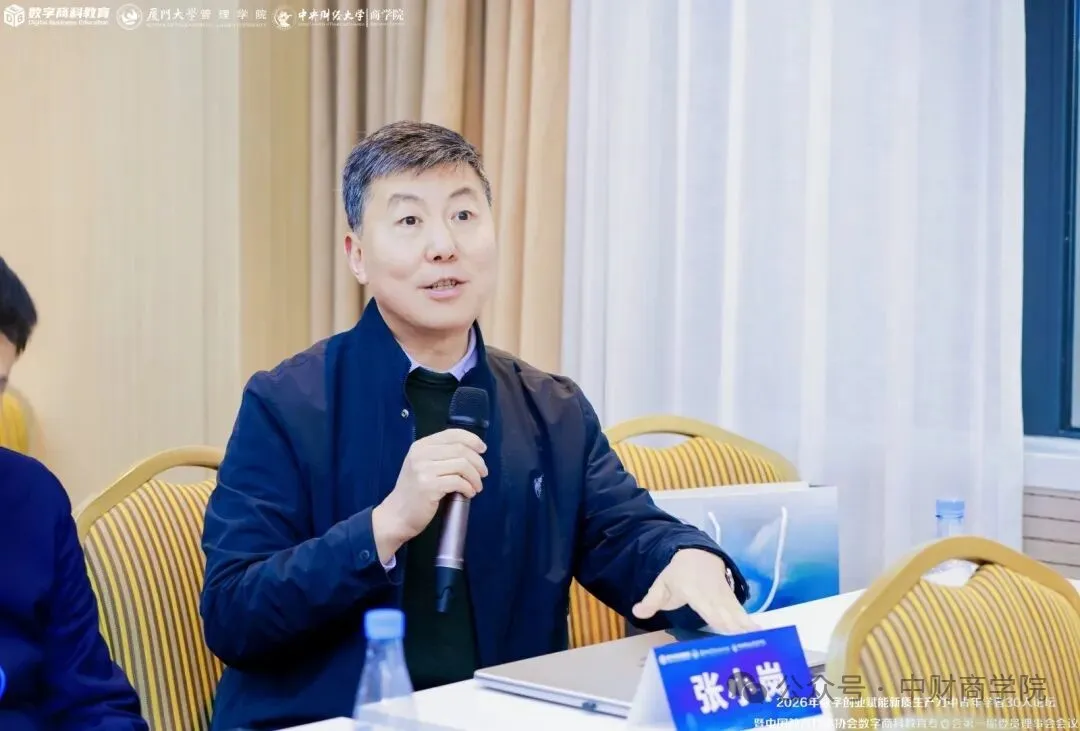
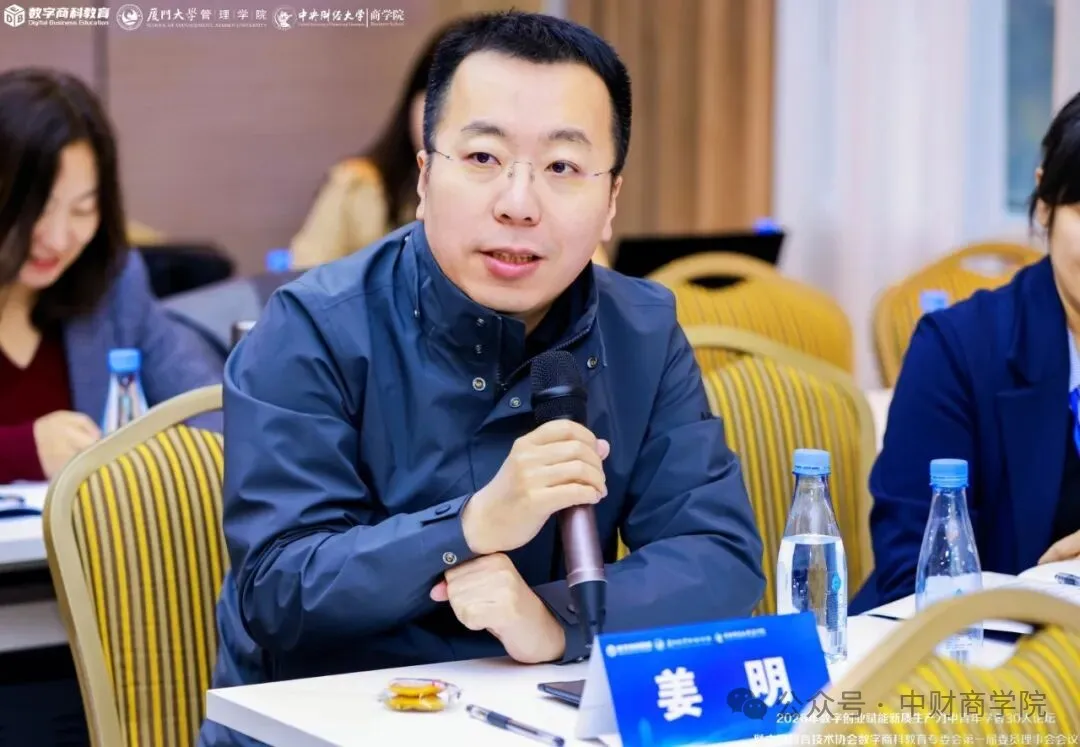
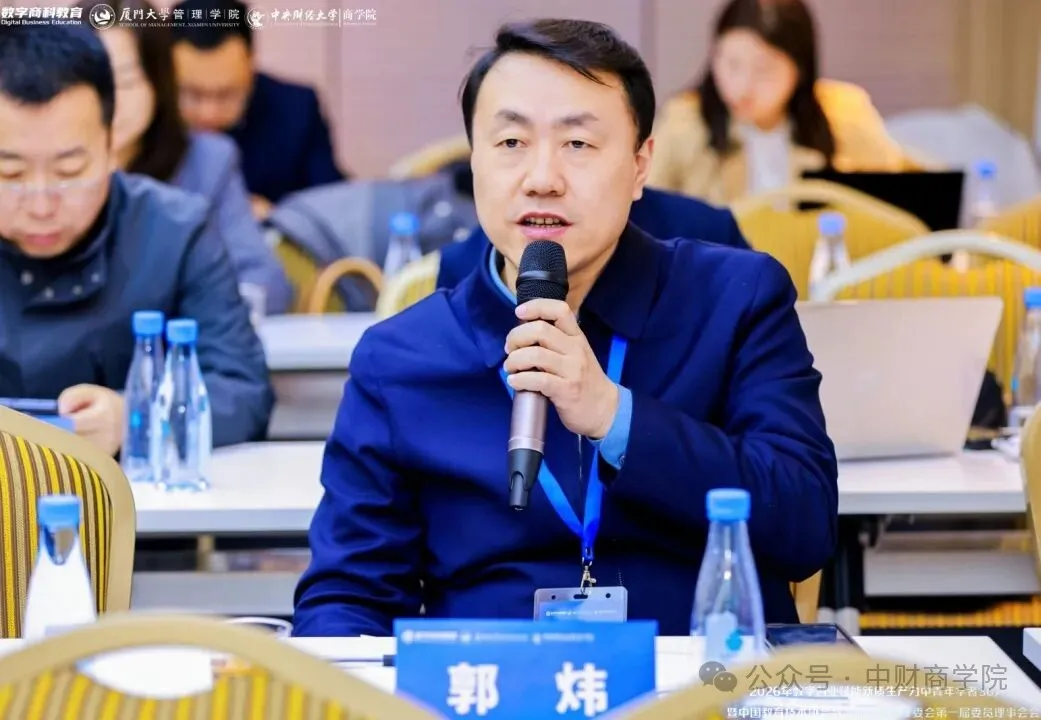
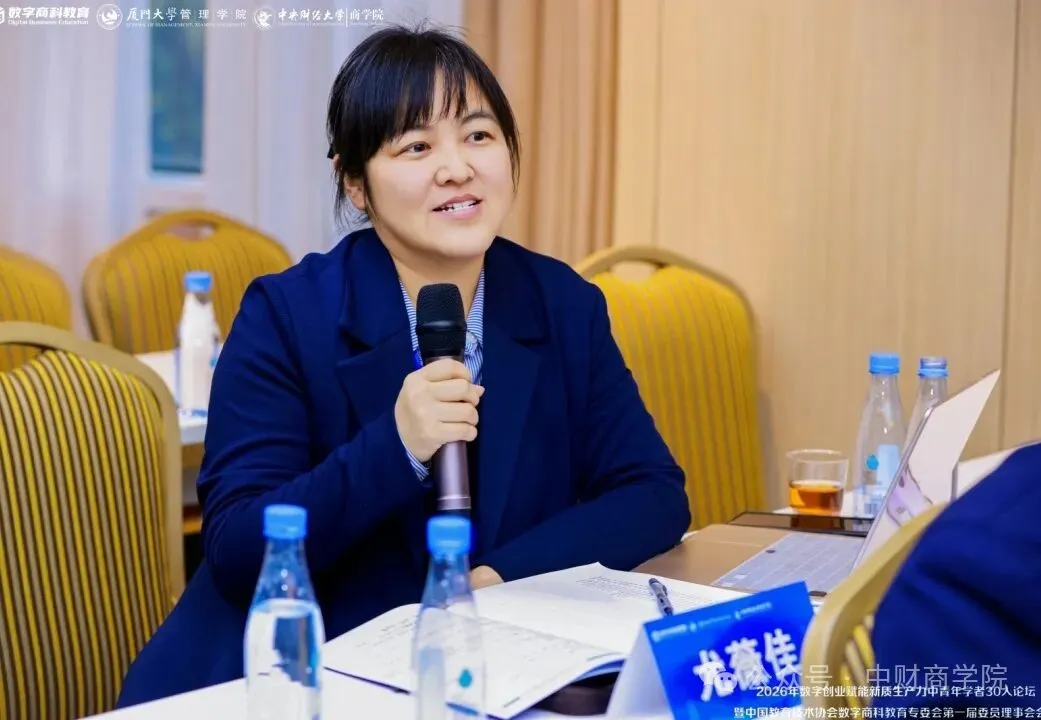
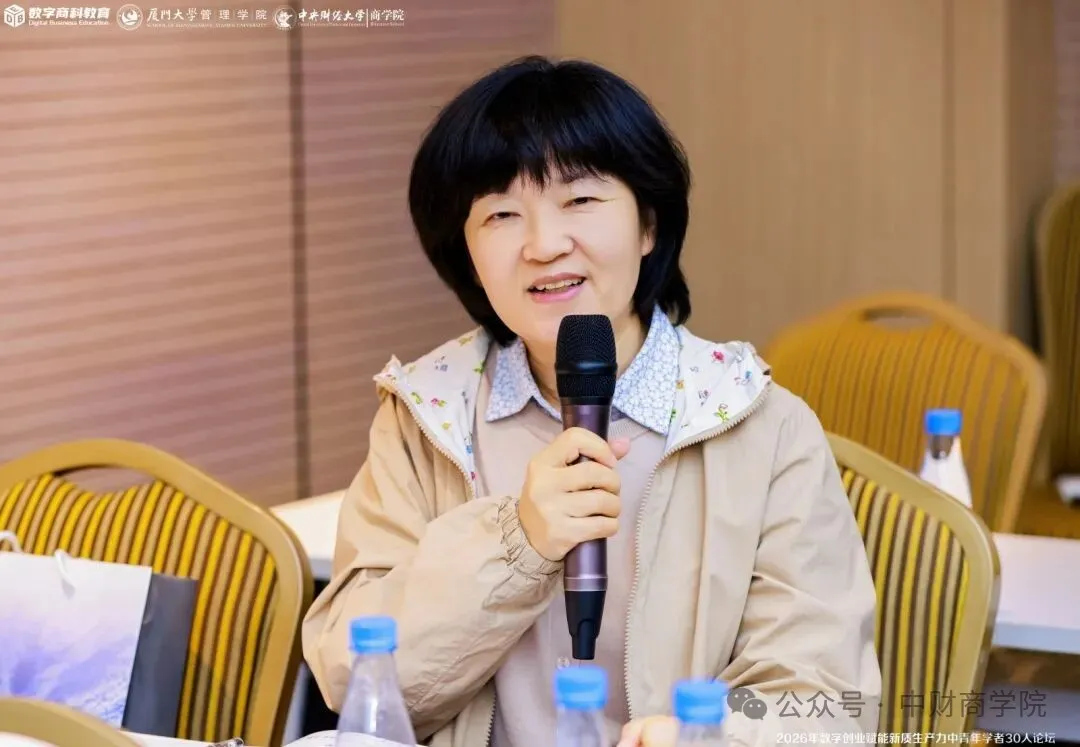
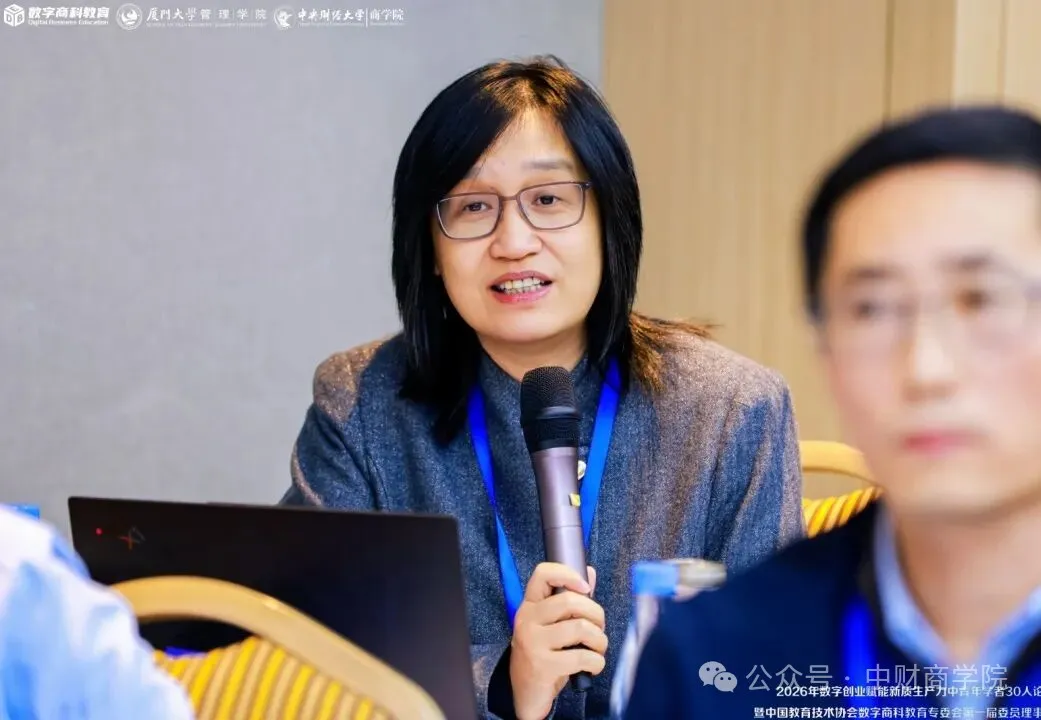
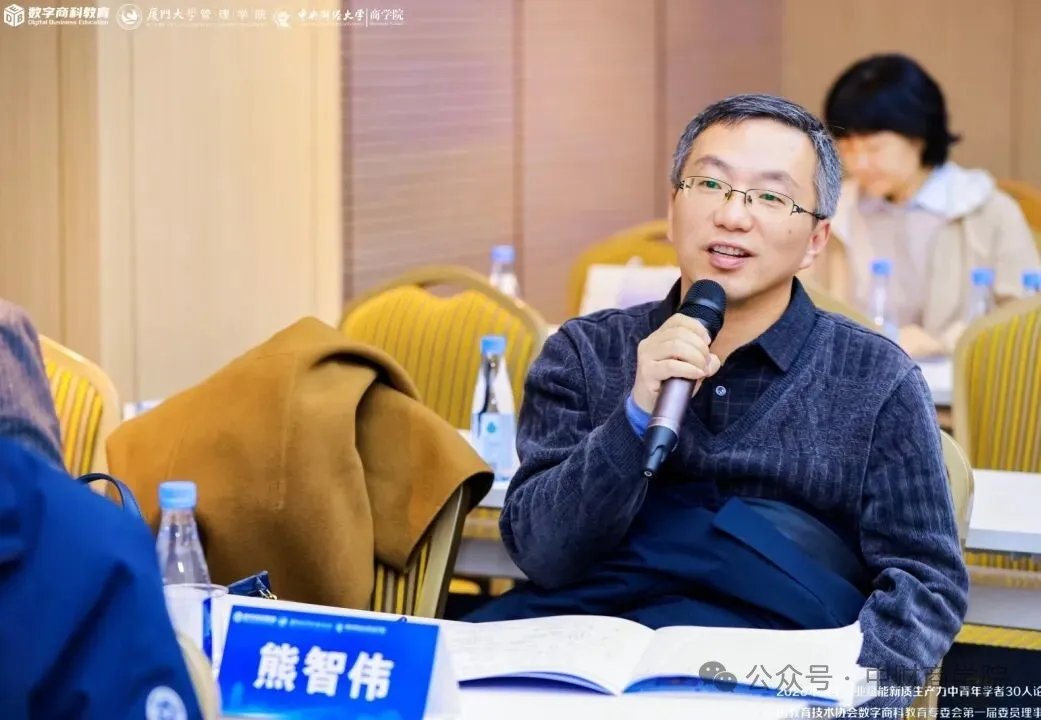
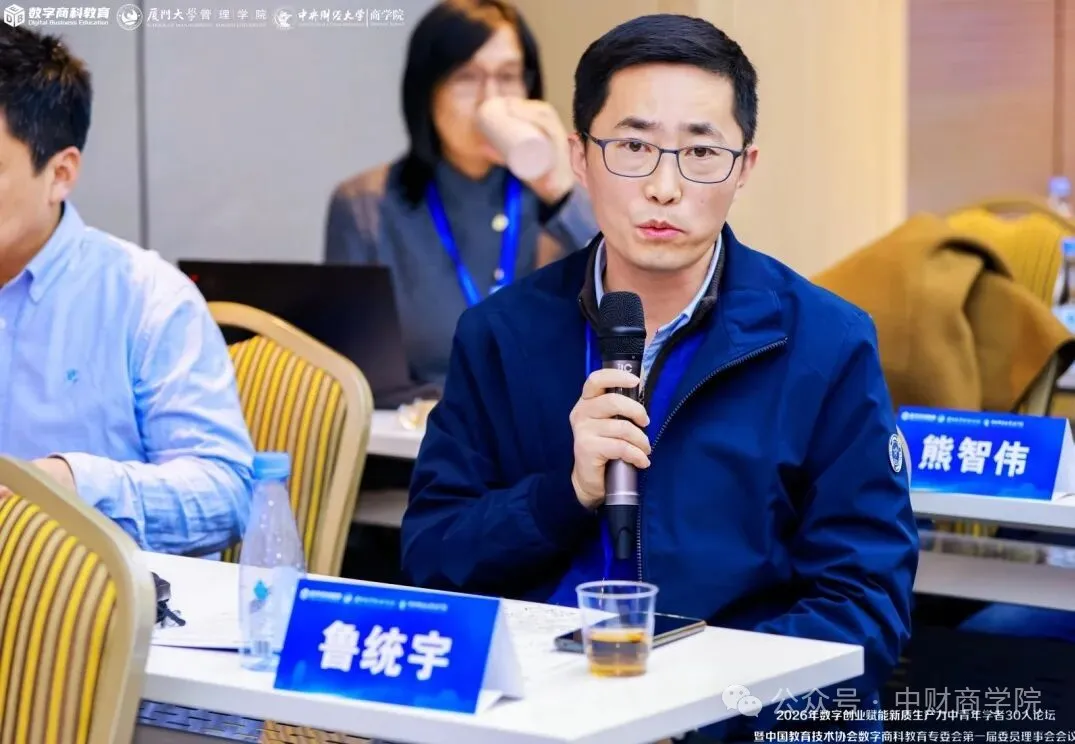
Finally, committee members engaged in discussions on topics such as micro-major programs, intelligent agent development, green business education, and faculty empowerment, putting forward many constructive suggestions. It was agreed that efforts such as micro-major development, intelligent agent innovation, and standards formulation will serve as key drivers for promoting the high-quality development of digital business education. Looking ahead, the committee will continue to unite stakeholders from government, industry, academia, research, and application, building an open, collaborative, and innovation-driven digital business education community and contributing educational wisdom and practical solutions to Chinese modernization.